





Bisleri Water Contamination: Coliform Bacteria Found in Bengal Plant Sample, FSSAI Approves Prosecution
A second regulatory setback for one of India’s best-known packaged drinking water brands raises serious questions about quality control, laboratory accountability and consumer confidence in the bottled-water industry.
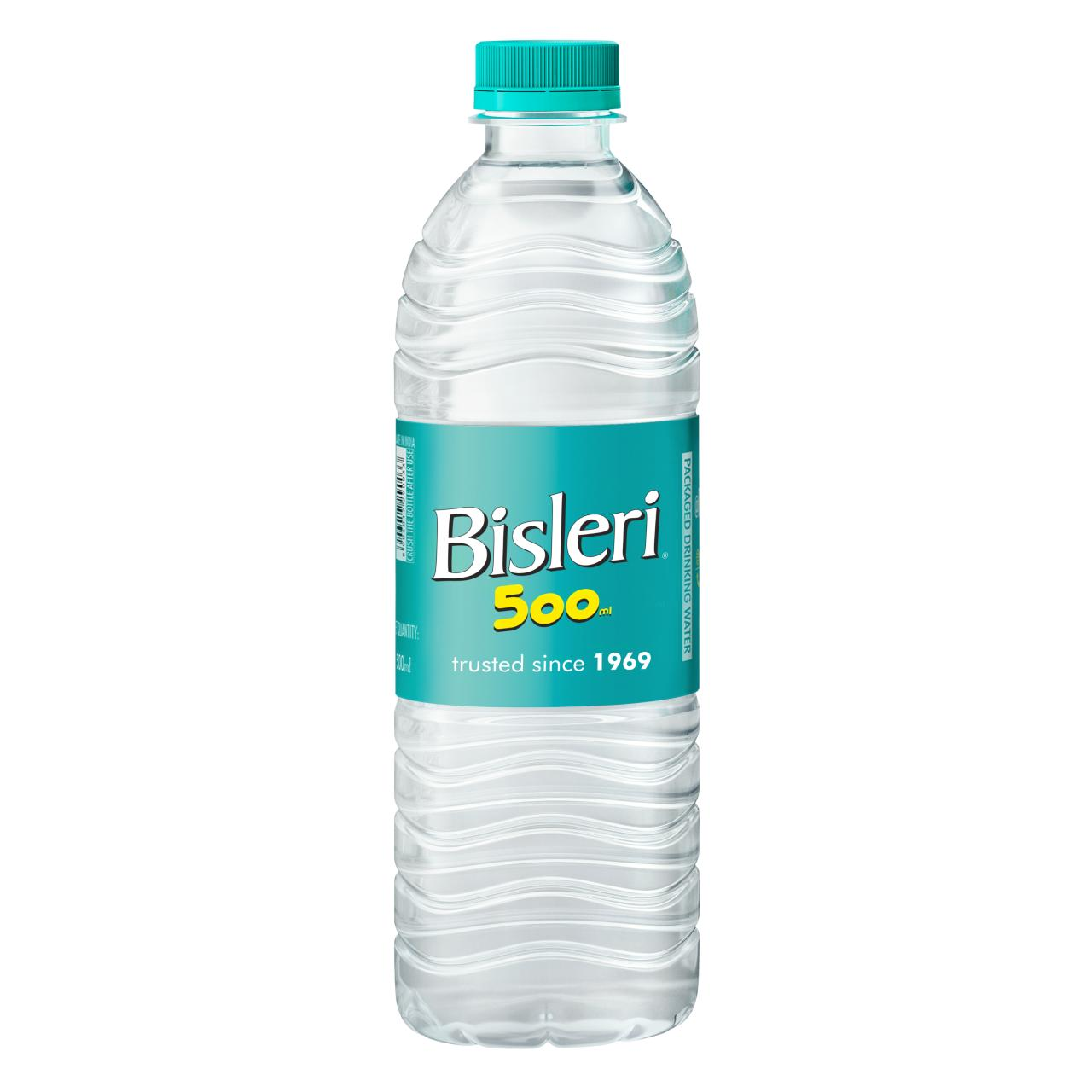
The discovery of coliform bacteria in a sample of Bisleri packaged drinking water from West Bengal has brought India’s bottled-water industry under renewed scrutiny. The Food Safety and Standards Authority of India (FSSAI) has sanctioned prosecution against Bisleri International under the Food Safety and Standards Act, 2006, following laboratory findings that reportedly confirmed bacterial contamination in a sample collected from the company’s manufacturing facility in Jalpaiguri district.
The sample was collected from the company’s plant in Telipara village and belonged to batch PB 201, manufactured on July 20, 2026. According to reports, both the primary laboratory and the referral food laboratory confirmed the presence of coliform bacteria. The regulator had prohibited the sale of this particular batch on August 12, 2026. The latest decision to sanction prosecution represents a further step in the regulatory process; it is not, by itself, a final judicial finding of guilt.

Why the presence of coliform bacteria matters
Coliform bacteria are a group of microorganisms commonly used as indicators of possible contamination in water and food. Their presence does not mean that every coliform bacterium is pathogenic, but it can signal deficiencies in water treatment, sanitation or the handling and distribution process.
In packaged drinking water, such contamination raises particular concerns because consumers purchase bottled water precisely to avoid the uncertainties associated with untreated or unreliable water sources.
Coliform bacteria can enter water systems through sewage contamination, leaking pipelines, damaged infrastructure or inadequate sanitation practices. Their detection therefore raises questions not merely about the source of water but also about filtration, disinfection, bottling equipment, storage and quality-control procedures.
The central issue is whether the manufacturing and monitoring systems are sufficiently robust to prevent contamination before water reaches consumers.
Bisleri questions the laboratory findings
Bisleri, however, has disputed the regulatory findings. In its response on November 28, the company said it had already recalled the affected batch following FSSAI’s instructions. It also claimed that independent tests conducted at two FSSAI-recognised laboratories found samples from the same batch compliant with applicable safety standards.
The company has called for a thorough review of the differences between the regulatory and independent laboratory findings and has expressed its willingness to cooperate with the food safety regulator.
This disagreement raises an important question: how should conflicting laboratory results be evaluated, and which testing process should ultimately determine whether a product is safe for public consumption?
The issue deserves transparent examination. Regulators must follow scientifically sound sampling and testing procedures, while manufacturers should be able to challenge findings through established mechanisms. However, independent test results cited by a company cannot automatically override adverse findings from regulatory laboratories. Equally, the regulator must explain its conclusions through credible scientific evidence.
A second setback after the Goa case
What makes the latest development particularly significant is that it follows another regulatory case involving Bisleri’s Goa manufacturing facility.
In that case, a regulatory sample reportedly failed to meet the prescribed bromate limits. Following the company’s appeal, the sample was examined by a referral laboratory, which also declared it unsafe after detecting polynuclear aromatic hydrocarbons (PAHs).
The company disputed aspects of the findings and maintained that its products were safe for consumption. FSSAI nevertheless sanctioned prosecution proceedings in that case as well.
Two separate regulatory cases involving different manufacturing facilities and different quality parameters within a short period make it important to examine whether there are weaknesses in individual production processes or broader quality-assurance systems. However, these findings should not be interpreted as proof that every Bisleri product or manufacturing facility is unsafe.
The larger question: Who protects the consumer?
India’s packaged drinking water market has expanded considerably as urbanisation, travel, changing lifestyles and concerns about drinking-water quality have increased dependence on bottled water.
For millions of consumers, purchasing a sealed bottle is an act of trust. They generally cannot independently verify the source, treatment process or microbiological quality of its contents. They rely on the manufacturer’s reputation and the assurance provided by regulatory standards.
This places a considerable responsibility on both manufacturers and regulators.
FSSAI’s action should also serve as a reminder that food safety enforcement cannot remain limited to responding to individual complaints or isolated laboratory failures. Regular inspections, risk-based sampling, independent testing and transparent disclosure of violations are essential.
The regulator has also indicated wider surveillance of packaged drinking water manufacturers. Such scrutiny should extend across the industry rather than focus exclusively on one prominent brand.
Beyond brand reputation, public health must prevail
The Bisleri controversy is ultimately about more than the reputation of an established brand. It concerns the credibility of India’s food safety monitoring system and the public’s right to safe drinking water.
The company deserves a fair opportunity to explain the contradictory laboratory findings. At the same time, consumer safety cannot be compromised by commercial considerations or brand reputation.
FSSAI should make the relevant testing methodology, regulatory findings and subsequent action as transparent as legally permissible. Manufacturers, meanwhile, must demonstrate that their quality-control systems consistently meet prescribed standards.
Consumers should not have to wonder whether the sealed bottle they purchase is genuinely safe.
The larger test for India’s food safety system is not how quickly it acts against a prominent company, but whether it can ensure that every packaged drinking water manufacturer is held to the same rigorous standards.

Prerna Varshney is a journalist and social commentator with over five years of experience in health, gender, and policy reporting. Her work reflects a deep commitment to truth and empathy, simplifying complex issues for everyday readers.