

Power to the People: How Mass Movements Have Shaped Modern India
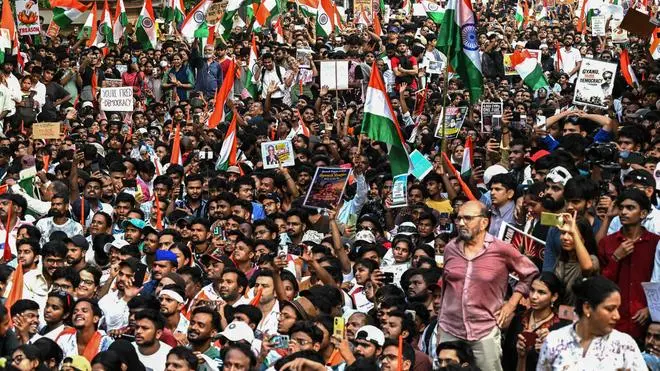
India’s democratic story is not written solely inside legislative chambers. It is carved out on dust-choked highways, under city shamianas, and beneath forest canopies. Since independence, non-violent mass mobilizations have repeatedly forced the state to listen, proving that organised public pressure remains the most potent tool for civic accountability in the world’s largest democracy.
Protecting Forests and Demanding Transparency
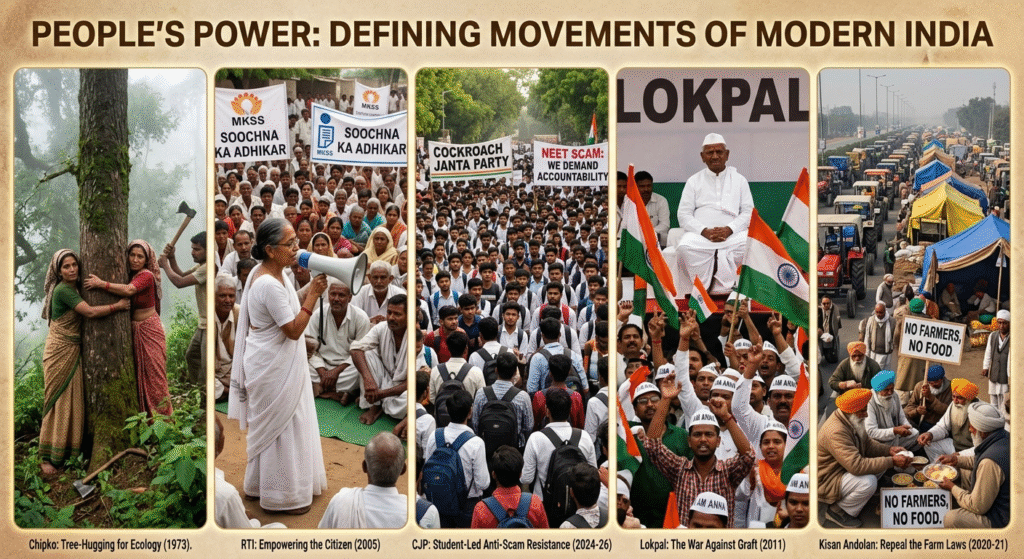
The blueprint for grass-root resistance was established in 1973 in the Garhwal Himalayas. When commercial loggers arrived in Mandal village, local women led by Gaura Devi wrapped their arms around tree trunks, daring contractors to strike them first. This act gave birth to the Chipko Movement.
The impact was immediate and long-lasting. The movement secured a 15-year ban on felling green trees in the Uttar Pradesh Himalayas and inspired ecological movements globally.
Two decades later, rural Rajasthan became the birthplace of another democratic transformation. Led by the Mazdoor Kisan Shakti Sangathan (MKSS) and activist Aruna Roy, grassroots worker rallies demanded access to official village development records to expose local corruption.
What began as localized jan sunwais (public hearings) escalated into a national campaign, culminating in the passage of the landmark Right to Information (RTI) Act in 2005. The law fundamentally reshaped the citizen-state relationship by legally empowering ordinary people to question government spending.
Watershed Moments of the 21st Century
The turn of the century saw mass mobilizations shift from rural heartlands to urban centers and policy hubs, targeting federal legislative reform:
- Anti-Corruption Movement (2011): Led by Anna Hazare at Ramlila Maidan, this urban middle-class uprising harnessed 24/7 news coverage to demand an independent ombudsman. It forced Parliament to pass the Lokpal and Lokayuktas Act.
- Farmers’ Movement (2020–2021): Tens of thousands of agricultural workers blockaded Delhi’s borders for over a year in opposition to three deregulation farm laws. Demonstrating immense organizational discipline, the year-long vigil forced the government to repeal all three acts in late 2021.
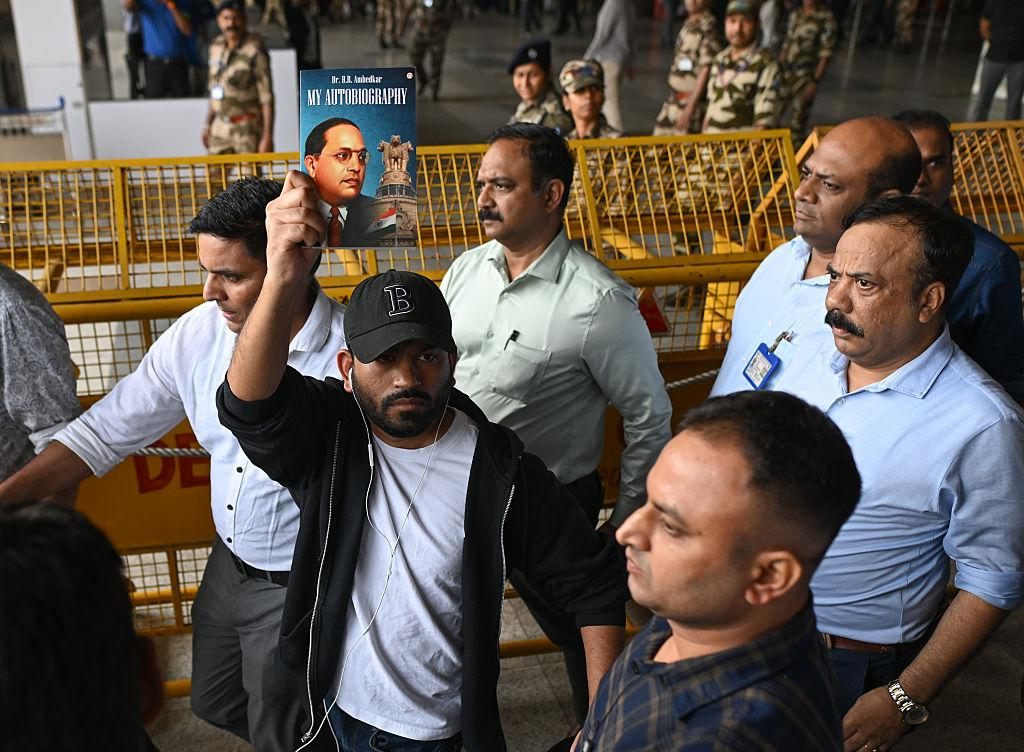
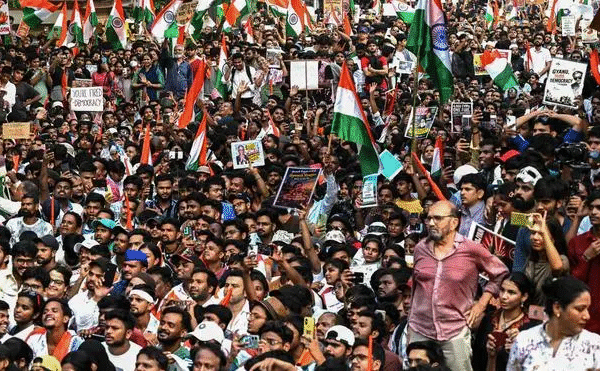
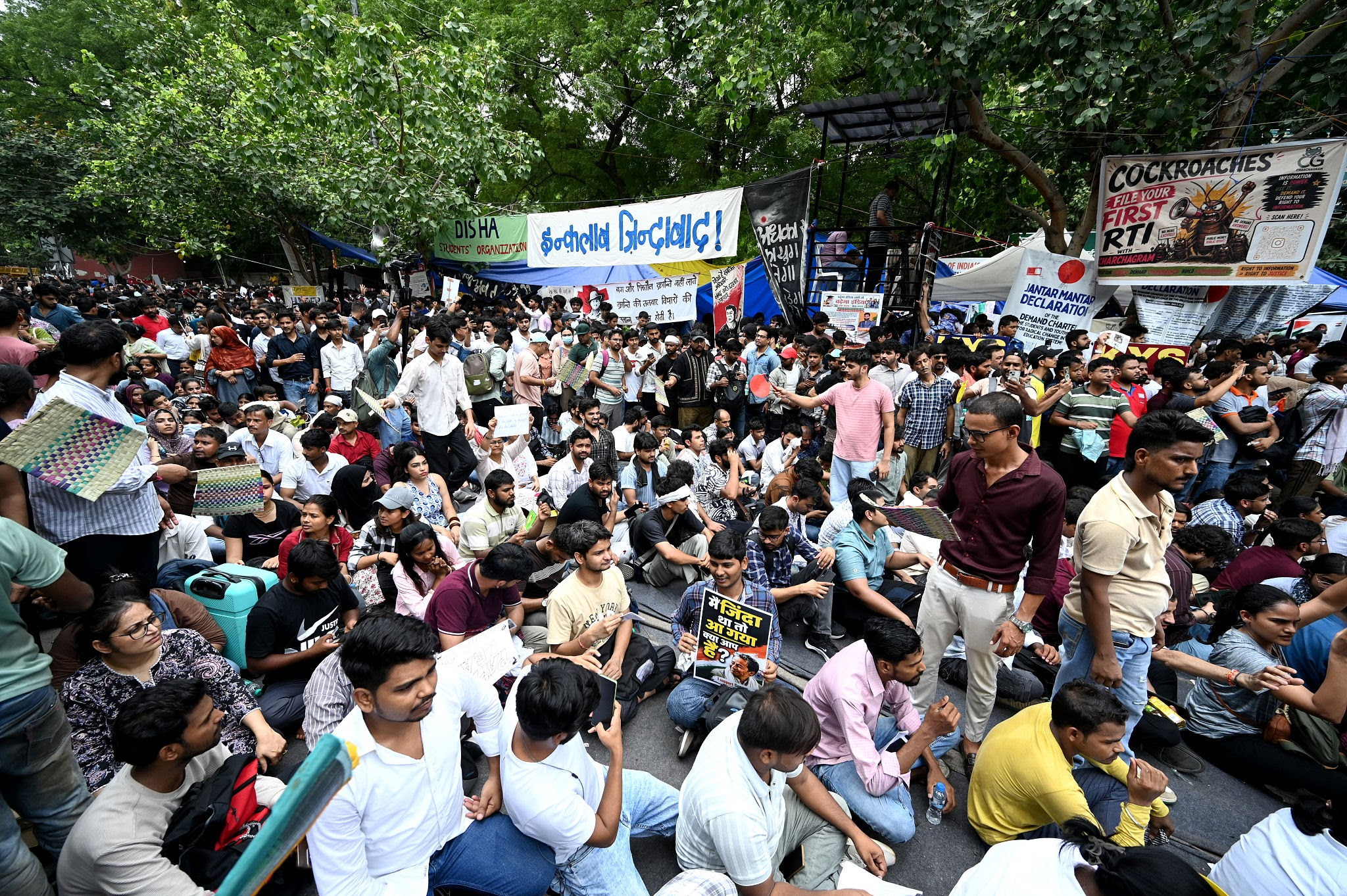
- The Youth Uprising Over NEET & Exam Leaks (2024–2026): Emerging out of public fury over paper leaks affecting 2.2 million medical aspirants, the youth-led Cockroach Janta Party (CJP) subverted derogatory elite rhetoric to build a massive student resistance movement.

Prerna Varshney is a journalist and social commentator with over five years of experience in health, gender, and policy reporting. Her work reflects a deep commitment to truth and empathy, simplifying complex issues for everyday readers.