


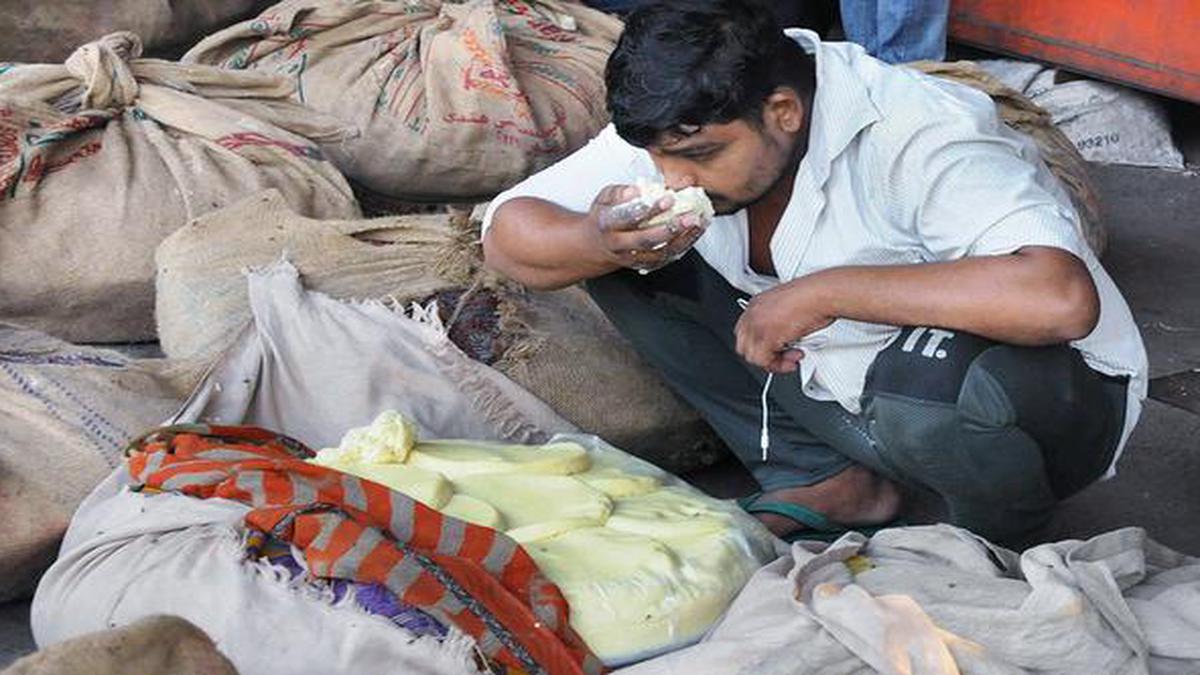
Synthetic khoya adulteration during Diwali poses serious health risks across India. To meet festive demand, many use cheap synthetic khoya. Even big brands like Haldiram have faced allegations of using synthetic khoya in burfi, highlighting gaps in food safety and enforcement.
The demand for sweets and dairy products rises sharply across India during festive season. This seasonal spike creates a lucrative opportunity for unscrupulous traders and manufacturers to flood the market with synthetic and adulterated products. Khoya, also known as mawa, is a key milk solid used in many traditional sweets like barfi, gulab jamun, and peda. Genuine khoya requires time and quality milk to prepare, making it expensive during the festival rush. To cut costs and meet the soaring demand, many producers mix khoya with cheap substitutes such as starch, non-dairy fats, and even harmful chemicals. This fake khoya can cause severe health issues, including food poisoning, stomach infections, and long-term kidney damage.
Besides khoya, paneer, ghee, namkeen, and even finished sweets are often found adulterated. The challenge is that food safety enforcement agencies mainly focus on cracking down close to Diwali. This reactive approach allows adulterators to ramp up production when inspections are fewer and profits higher. Despite annual warnings and raids, adulterated foods keep appearing in markets every year. So why does the food safety system seem to lag behind this growing menace? This article explores real case studies, state-wise enforcement data, and the underlying challenges that keep food adulteration a persistent threat during the festival.
State-Wise Enforcement Actions and Real Cases
In 2025, the Uttar Pradesh Food Safety & Drug Administration (FSDA) launched a focused Diwali campaign from October 8 to 17. During this period, officials conducted over 5,000 inspections and seized nearly 3,000 quintals of adulterated food items worth about ₹4 crore. Large consignments of synthetic khoya were intercepted on major highways like NH-34 in Kanpur, where 4,040 kg of fake khoya was seized. In Unnao, 215 kg of adulterated khoya was confiscated and FIRs filed against offenders. Mathura authorities destroyed 400 kg of unsafe paneer. These cases highlight that the problem is not limited to small shops but involves large-scale supply chains moving adulterated goods across states.
The Delhi-NCR region also saw significant action. Food Safety and Standards Authority of India (FSSAI) teams caught 500 kg of fake paneer transported from Haryana into Noida markets. In Raghubir Nagar, West Delhi, officials seized 2,600 kg of sweets like milk-cake and kalakand, alongside banned chemicals used for whitening. Such hazardous additives can harm consumers, especially children. Meanwhile, Madhya Pradesh reported seizures of nearly 15,000 kg of adulterated sweets, paneer, mawa, and namkeen in just the first half of October 2025. Authorities collected over 3,300 samples for lab testing.
In Varanasi, officials intercepted 1,400 kg of synthetic khoya being transported by a luxury bus and at a railway station. These examples reveal that fake and unsafe ingredients travel long distances before reaching sweet shops and consumers. The scale of enforcement shows that while authorities act decisively during Diwali, adulteration is widespread and deeply rooted.
Why Food Safety Enforcement Falls Short and What Can Be Done
Despite the large-scale raids and seizures, the food safety system in India often appears reactive and under-prepared. Authorities mostly catch adulterated goods only after they have begun moving through supply chains or reached retail points. This means manufacturers and middlemen often profit before the crackdown occurs. The supply chain for khoya and sweets is vast and informal, involving thousands of small sweet shops, home-based producers, and scattered dairy units. Monitoring every node throughout the year is a major challenge.
Enforcement tends to surge only near festivals, which creates predictable gaps that adulterators exploit. Moreover, penalties and prosecutions against offenders often remain weak, reducing the fear of legal consequences. This lack of deterrence allows repeat offenders to continue their activities. On the consumer side, many buyers prioritize price and packaging over ingredient authenticity. This demand for cheaper sweets pushes vendors toward cheaper, adulterated inputs.
To break this cycle, authorities must shift to year-round, unpredictable enforcement rather than seasonal crackdowns. Faster and more accessible lab testing, including mobile testing units, can improve response times. Stronger penalties and public naming of repeat offenders will increase deterrence. Additionally, supply chains must become more transparent, with traceability from raw milk to finished sweet shops. Finally, consumer education campaigns can raise awareness about the risks of adulterated food and encourage purchases from trusted, licensed vendors.
Until these measures are firmly in place, consumers need to remain vigilant. Checking quality, demanding bills, and avoiding roadside or unlicensed sellers can reduce the risk of buying unsafe sweets. After all, the true spirit of Diwali lies in celebrating with joy and safety, not risking health over cheap imitations.

Prabha Gupta is a veteran journalist and civic thinker dedicated to the constitutional ideals of dignity and institutional ethics. With over thirty years of experience in public communication, her work serves as a bridge between India’s civil society and its democratic institutions. She is a prominent voice on the evolution of Indian citizenship, advocating for a national discourse rooted in integrity and the empowerment of the common citizen