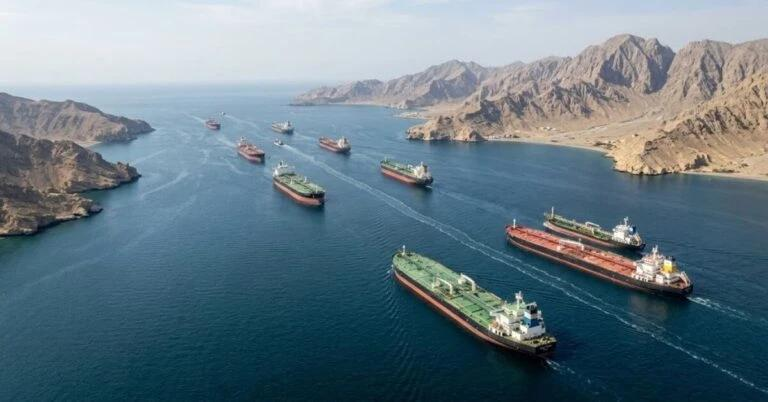





Global oil markets surged on Tuesday after renewed U.S. military strikes on Iranian targets deepened uncertainty surrounding fragile diplomatic efforts between Washington and Tehran. Brent crude prices climbed nearly 3%, reflecting growing investor fears that escalating tensions in the Middle East could disrupt critical global energy supplies. The situation has become particularly sensitive as the Strait of Hormuz — a vital route for nearly one-fifth of the world’s oil shipments — remains only partially open amid continuing security concerns.
Military Escalation Triggers Fresh Energy Market Fears
Energy traders reacted sharply after the United States confirmed military operations against Iranian naval infrastructure in the Gulf region. According to U.S. officials, the strikes were carried out in response to alleged threats against international commercial shipping routes and military assets operating near the Strait of Hormuz.
Iran strongly condemned the attacks, accusing Washington of undermining ongoing peace negotiations and escalating tensions at a critical moment in regional diplomacy. Iranian authorities warned that retaliation remained possible, adding to fears that the conflict could spiral further and disrupt maritime traffic in the Gulf.
The Strait of Hormuz remains one of the world’s most strategically important oil transit corridors, carrying approximately 20% of global crude oil and liquefied natural gas exports. Although some shipping activity has resumed in recent days, several tankers continue to avoid the region due to heightened security risks and rising insurance costs.
Analysts said oil markets are increasingly responding not only to physical supply disruptions but also to geopolitical uncertainty. Brent crude crossed the $99-per-barrel mark during intraday trading, while U.S. West Texas Intermediate crude also recorded significant gains. Traders noted that concerns over future supply interruptions are driving volatility across global commodity markets.
Shipping companies have also adopted a cautious approach, with some rerouting vessels away from the Gulf until security conditions improve. Marine insurers have reportedly raised premiums for ships operating in the area, reflecting fears of further military escalation or attacks on commercial vessels.
Fragile Diplomacy Keeps Markets on Edge
The latest military developments come at a time when hopes for a diplomatic breakthrough between Washington and Tehran had briefly improved. Reports earlier this week suggested that indirect negotiations mediated by Gulf nations were making progress toward easing tensions and restoring safer navigation through the Strait of Hormuz.
However, the latest strikes have complicated those discussions and raised doubts about whether a peace agreement can be reached in the near term. U.S. Secretary of State Marco Rubio acknowledged that negotiations remain ongoing but cautioned that reaching a stable agreement could still take time.
Financial analysts warned that sustained geopolitical instability in the Middle East could have widespread economic consequences. Rising oil prices are expected to increase transportation and manufacturing costs globally, potentially worsening inflation pressures that many economies are already struggling to control.
Asian economies including India, China, Japan, and South Korea are particularly vulnerable because they rely heavily on Gulf oil imports. Higher crude prices could also affect airline operations, shipping costs, and consumer fuel prices worldwide.
Global stock markets delivered a mixed response to the developments. Energy sector shares gained on expectations of stronger revenues, while broader equity markets faced pressure from concerns over inflation and slower economic growth.
Despite the tensions, diplomats from several regional countries continue efforts to revive negotiations and stabilize maritime trade routes. Experts believe any lasting solution would require security guarantees for shipping lanes, reduced military activity in the Gulf, and broader understandings regarding Iran’s nuclear and regional policies.
For now, however, oil markets remain highly sensitive to every military move and diplomatic statement emerging from the region. Analysts warn that any further escalation around the Strait of Hormuz could push crude prices above $100 per barrel in the coming weeks.

NewsHasghag operates a 24/7 news bureau that tracks the real-time, social media-driven stories from India and around the world, keeping you ahead of the day’s key talking points. Our digital-first approach transforms storytelling through the seamless integration of data, interactive charts, video, and audio into every narrative