




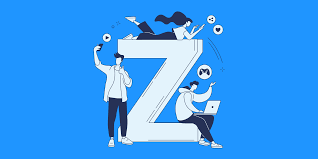
Gen Z: Why Does This Generation Appear So Hostile and How Can Society Connect With It?
Why Does Gen Z Appear So Hostile? The term “Gen Z” or “Generation Z” refers to people born roughly between 1997 and 2012. The name follows the sequence of generational labels used by researchers and demographers. After the Baby Boomers came Generation X, followed by Millennials (Generation Y), and then Generation Z. The term gained popularity in the early 2010s as researchers sought to understand the first generation to grow up entirely in the digital age.
Today, Gen Z is one of the most talked-about generations in the world. Employers describe them as difficult to manage, teachers often complain about their lack of patience, and parents sometimes struggle to understand their attitudes. Critics call them entitled, argumentative, and overly sensitive. Yet supporters see them as socially conscious, independent thinkers who are unafraid to challenge injustice.
The reality is more complex than either stereotype.
Why Does Gen Z Seem More Hostile Than Previous Generations?
Gen Z has grown up in a world marked by uncertainty. Unlike previous generations that experienced relatively stable periods of growth, today’s young people have witnessed economic recessions, rising living costs, climate change concerns, political polarization, global conflicts, and the lasting effects of the COVID-19 pandemic.
Many young adults feel that the traditional formula for success—study hard, get a degree, find a good job, and build a secure future—no longer guarantees stability. Housing prices have soared, competition for jobs has intensified, and financial pressures continue to increase. These realities have created frustration and distrust toward institutions and authority figures.
Social media has also shaped Gen Z’s communication style. Platforms such as TikTok, Instagram, Snapchat, and X expose young people to constant debates and competing viewpoints. Online culture often rewards quick reactions and strong opinions, making direct and sometimes confrontational communication appear normal.
Mental health challenges have further influenced behavior. Researchers across the world have documented rising levels of anxiety, loneliness, and stress among young adults. Constant online comparison, fear of missing out, and pressure to succeed can leave many feeling emotionally exhausted. What older generations perceive as hostility may sometimes be a reflection of stress, insecurity, or frustration.
Another important difference is Gen Z’s attitude toward authority. Previous generations were often taught to respect authority automatically. Gen Z is more likely to question leaders, managers, teachers, and politicians. They believe respect should be earned through competence, fairness, and transparency rather than position alone. This willingness to challenge authority can be viewed as rebellious, but it can also be seen as a demand for accountability.
How Can Society Build Better Relationships With Gen Z?
Instead of trying to “tame” Gen Z, society may benefit more from understanding and engaging with them. Every generation develops traits shaped by its historical circumstances, and Gen Z is no exception.
The first step is listening. Young people want their concerns to be taken seriously. Dismissing them as lazy or entitled often increases resentment and deepens the generational divide. Parents, teachers, and employers who listen actively are more likely to earn trust and cooperation.
Second, communication should be transparent and honest. Gen Z values authenticity and tends to reject leadership styles based purely on authority. Clear explanations, open dialogue, and genuine engagement are often more effective than strict commands.
Third, young people need purpose. Surveys consistently show that Gen Z seeks meaning in education, careers, and social causes. Organizations that demonstrate ethical behavior, environmental responsibility, and social awareness often receive stronger support from this generation.
Finally, resilience must be encouraged. While empathy and support are essential, young people also need opportunities to develop patience, problem-solving skills, and emotional strength. Constructive feedback and real-world responsibilities help prepare them for life’s inevitable challenges.
Gen Z is not inherently hostile. It is a generation shaped by rapid technological change, economic uncertainty, and constant exposure to global events. Understanding these influences can help bridge the gap between generations. Rather than viewing Gen Z as a problem to be controlled, society may find greater success by recognizing its strengths—creativity, adaptability, social awareness, and willingness to challenge outdated ideas—and channeling them toward positive change.

NewsHasghag operates a 24/7 news bureau that tracks the real-time, social media-driven stories from India and around the world, keeping you ahead of the day’s key talking points. Our digital-first approach transforms storytelling through the seamless integration of data, interactive charts, video, and audio into every narrative