

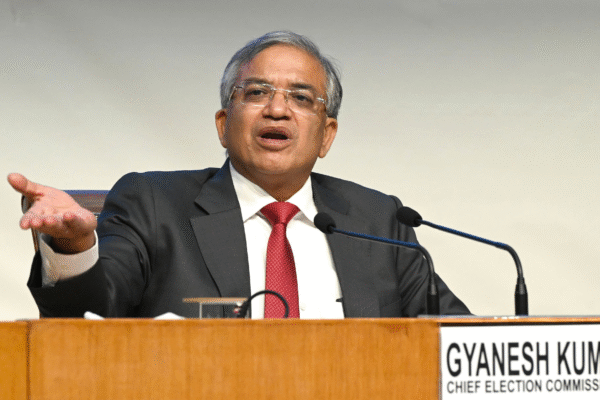



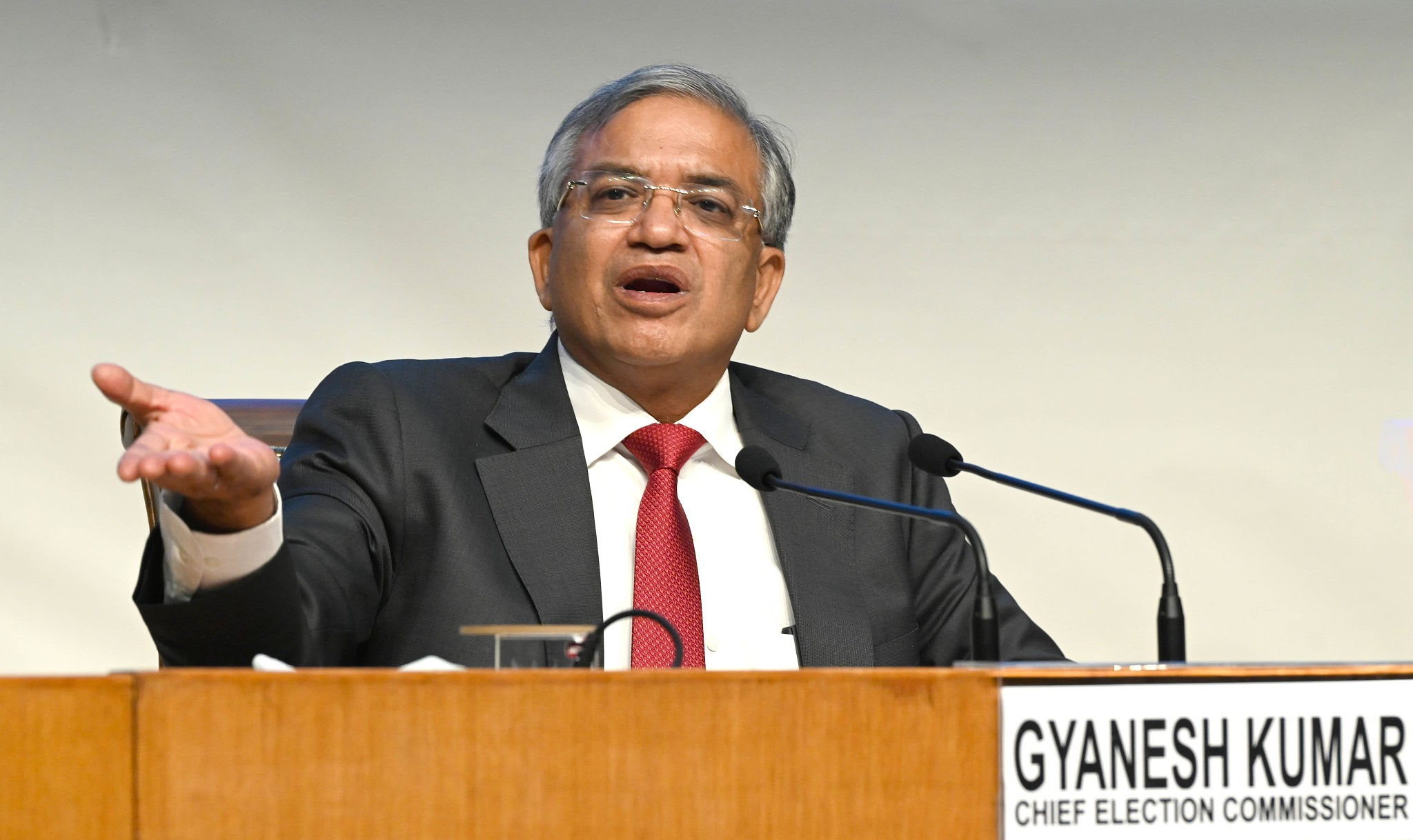
NEW DELHI — India’s election framework faces an unprecedented crisis as structural friction within the Election Commission of India (ECI) intersects with growing scrutiny from the judiciary. Broad opposition demands for the resignation of Chief Election Commissioner Gyanesh Kumar, alongside Supreme Court oversight on the Trinamool Congress (TMC) symbol dispute, highlight expanding concerns regarding internal governance and external impartiality within the statutory body.
Internal Dissent Sparks Demands for Resignation
The controversy escalated following investigative reports detailing internal resistance within the three-member election panel. Reports revealed that Election Commissioners Sukhbir Singh Sandhu and Vivek Joshi formally recorded objections at least 14 times over the past ten months. The dissenting commissioners asserted that critical decisions were executed in the name of the full Election Commission without their prior knowledge or consent, characterizing several rulings as “unauthorised and illegal”.
This revelation prompted unified condemnation from opposition leadership. Leader of the Opposition Rahul Gandhi demanded Chief Election Commissioner Gyanesh Kumar’s immediate resignation, alleging systematic erosion of democratic safeguards and calling for a thorough investigation. Joining the chorus, Congress MP Priyanka Gandhi Vadra emphasized that any compromise in electoral oversight constitutes a direct breach of public trust.
In response, the Election Commission issued a formal statement defending its operations, maintaining that all actions adhere strictly to legal frameworks and institutional instructions. The poll panel argued that highlighting specific internal notes over a ten-month window presents a selective narrative while overlooking the broader volume of consensus-driven decisions.
Judicial Scrutiny Over the TMC Symbol Freeze
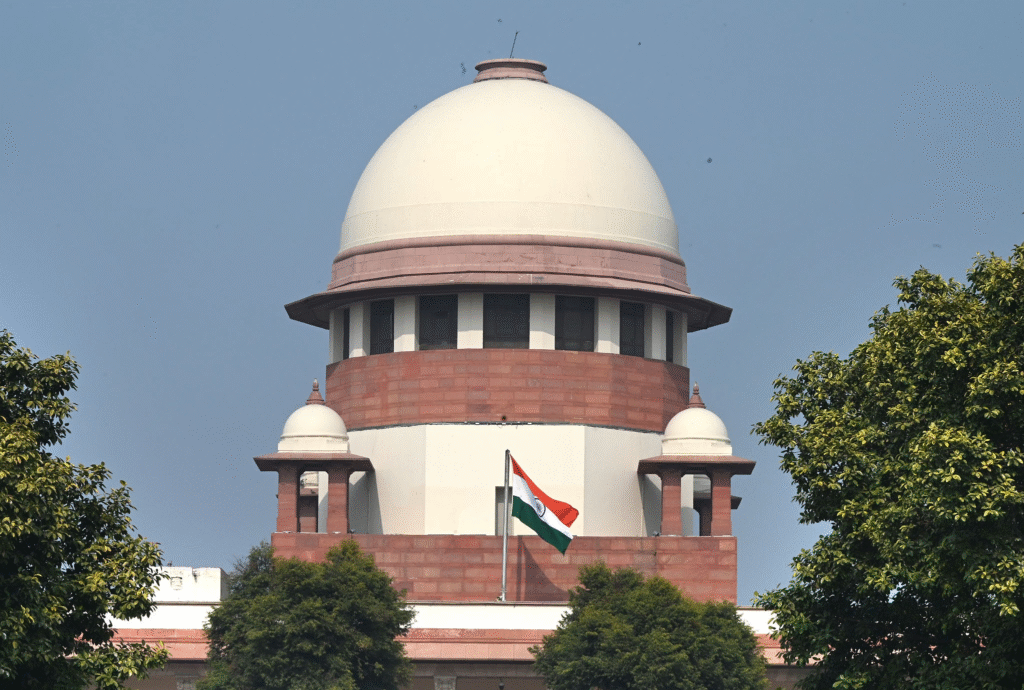
Concurrently, the Supreme Court of India is examining the administrative timelines of the poll panel regarding political party recognition. A three-judge bench, led by Chief Justice of India Surya Kant alongside Justices Joymalya Bagchi and V. Mohana, heard a petition challenging the ECI’s interim order that froze the All India Trinamool Congress name and its iconic “Flowers & Grass” symbol.
The freezing order followed an internal leadership feud between factions led by former West Bengal Chief Minister Mamata Banerjee and rival leader Ritabrata Banerjee. Pending final determination under Paragraph 15 of the Election Symbols Order, 1968, the ECI temporarily allocated the “football player” symbol to Mamata Banerjee’s faction and the “envelope” symbol to the rival group for upcoming assembly by-elections.
Representing Mamata Banerjee, Senior Advocate Kapil Sibal argued that the ECI’s interim freeze—enforced right before election schedules—leaves political parties without timely legal remedies, risking repeated disruption in future electoral cycles. While declining to stay the interim order for ongoing bypolls, the Supreme Court directed the ECI to submit a realistic, binding timeline for final adjudication, emphasizing that recognition disputes cannot be prolonged indefinitely.
Institutional Integrity Under Scrutiny
These dual developments mark a sensitive juncture for the Election Commission. The combination of internal executive friction and judicial calls for administrative accountability reinforces ongoing debates regarding institutional independence. As the Supreme Court awaits the ECI’s submission on its adjudication schedule, public focus remains fixed on whether the election body can restore internal cohesion and maintain public confidence in its constitutional mandate.

NewsHasghag operates a 24/7 news bureau that tracks the real-time, social media-driven stories from India and around the world, keeping you ahead of the day’s key talking points. Our digital-first approach transforms storytelling through the seamless integration of data, interactive charts, video, and audio into every narrative