


America’s Gun Epidemic: Why Does the Government Still Refuse to Rein In Civilian Gun Ownership?
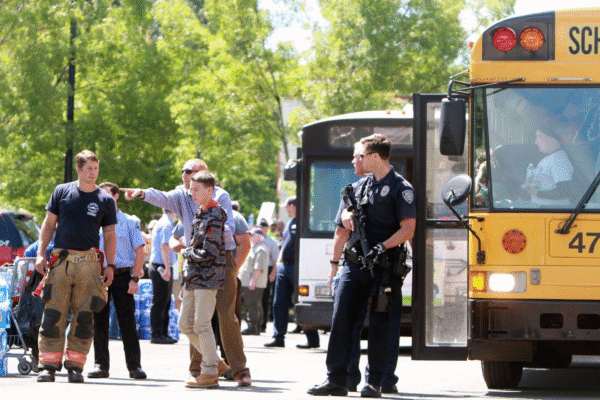
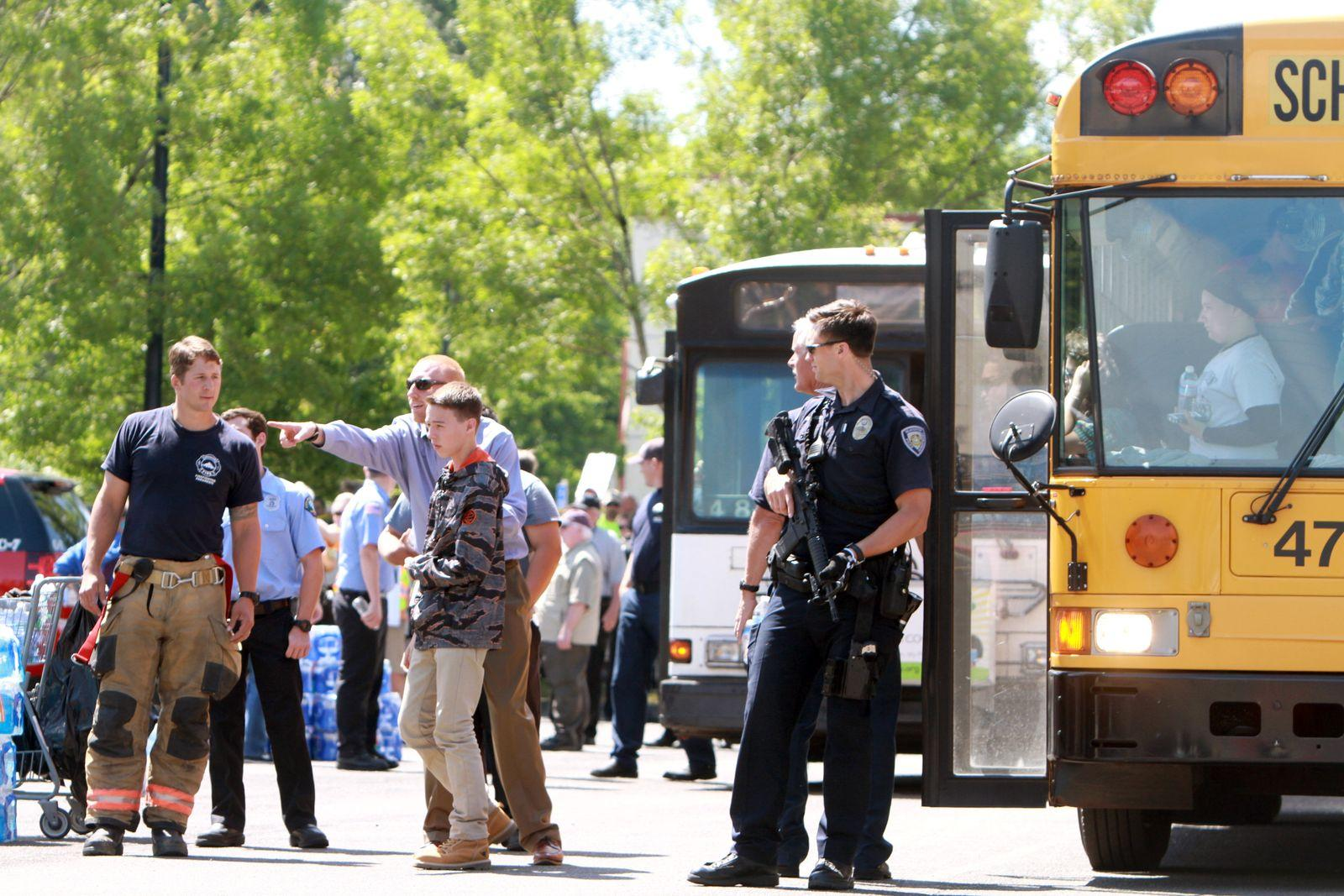
Three children aged five, eight and eleven, along with a teacher, were killed in a shooting at Silver Rail Elementary School in Bend, Oregon, on October 15, 2026. A 16-year-old suspect entered the school after shooting through locked doors. A community member confronted him, and the suspect was killed. Two other victims were critically injured. The investigation is ongoing.
The tragedy came amid another grim week for America. According to The Washington Post, two mass shootings on October 9 killed 12 people, making the Oregon attack the third mass killing in the country within a week. The same report counted 21 mass killings involving guns in the United States during 2026 by October 15.
The names of earlier tragedies remain etched in public memory: Columbine in 1999, Sandy Hook in 2012, Parkland in 2018, Uvalde in 2022 and Apalachee High School in Georgia in 2024. Yet the recurring pattern is disturbing: outrage follows a shooting, politicians offer condolences, gun-control advocates demand action, gun-rights groups defend ownership—and the underlying national conflict remains unresolved.
The question is no longer whether America has a gun-violence problem. It is why the country’s political system has proved so resistant to substantially tighter controls on civilian access to firearms.
The Second Amendment and the Political Power of the Gun Lobby
The central obstacle is the Second Amendment to the US Constitution, which protects an individual right to keep and bear arms. The Supreme Court has affirmed that right, including for self-defence, while recognising that it is not unlimited. Any major attempt to prohibit civilian gun ownership would therefore face serious constitutional challenges.
But the Constitution alone does not explain the political deadlock. Other democracies regulate firearms without abolishing every form of private ownership. The American debate has become unusually polarised because many gun owners regard firearms as a symbol of individual liberty, independence and resistance to government overreach.
The National Rifle Association and other gun-rights organisations have helped make firearm restrictions a powerful electoral issue. Politicians who support stricter laws can face organised opposition, campaign pressure and the risk of losing voters in closely contested elections. Meanwhile, gun-control advocates argue that repeated mass shootings justify stronger background checks, safe-storage requirements, restrictions on certain weapons and limits on access by minors.
Congress has not consistently translated public outrage into comprehensive national legislation. Partisan divisions, the Senate’s legislative hurdles and disputes over the scope of federal authority make agreement difficult. Federalism adds another complication: firearm laws differ from state to state, leaving the country without one uniform system governing every aspect of civilian ownership.
The current political direction has also mattered. In June 2026, The Washington Post reported on the Trump administration’s efforts to roll back several federal gun regulations, including proposed changes affecting firearm sellers, purchasers and certain weapons. The administration has presented its approach as a defence of Second Amendment rights; gun-control advocates warn that reducing safeguards could increase risks.
Why Not Abolish Civilian Gun Ownership?
The question deserves to be asked directly: why should ordinary civilians have such extensive access to lethal weapons when the consequences of misuse can include the deaths of children in their classrooms?
A complete prohibition, however, would require confronting constitutional protections, existing state laws, millions of privately owned firearms and the practical challenge of enforcement. It would also face substantial political and legal opposition. That helps explain why successive governments have generally debated the extent of regulation rather than pursued an outright nationwide ban.
The comparison with India is instructive. Under the Arms Act, 1959, and Arms Rules, 2016, civilian firearm possession generally requires a licence issued under defined legal criteria. India does not recognise a constitutional right equivalent to the American Second Amendment. Authorities can assess an applicant’s eligibility and stated grounds before authorising possession.
India still faces illegal firearms and gun crime; a licensing system cannot eliminate violence. But the principle is different: firearm ownership is regulated permission, not a broadly protected constitutional entitlement.
America must confront the consequences of its own choices. Better school security and emergency response may save lives, but they cannot substitute for examining how weapons reach people who use them to commit mass violence. Nor can every attack be prevented by a single law. The policy question is whether stronger, enforceable safeguards could reduce the frequency and lethality of shootings.
After Oregon, another round of condolences will not answer that question. The real test of political leadership is whether lawmakers are prepared to place public safety above the electoral convenience of doing nothing.

Prabha Gupta is a veteran journalist and civic thinker dedicated to the constitutional ideals of dignity and institutional ethics. With over thirty years of experience in public communication, her work serves as a bridge between India’s civil society and its democratic institutions. She is a prominent voice on the evolution of Indian citizenship, advocating for a national discourse rooted in integrity and the empowerment of the common citizen