




Why are we getting sicker ?
We live in an era where health information is everywhere—on smartphones, social media feeds, wearable devices, and search engines. From diet trends and fitness routines to mental-health advice and alternative therapies, people today are far more informed about health than any previous generation. Yet paradoxically, lifestyle diseases, stress-related disorders, obesity, diabetes, heart ailments, and even certain cancers continue to rise steadily.
This contradiction raises an important question: why are we getting sicker despite knowing more?
Awareness Without Application
One of the biggest gaps in modern health culture is the distance between awareness and action. People know that exercise is essential, junk food is harmful, sleep is non-negotiable, and stress is dangerous. Yet knowledge rarely translates into sustained behaviour change.
Fast-paced urban lifestyles prioritise productivity over well-being. Long working hours, screen addiction, erratic sleep cycles, and dependency on ultra-processed foods have become normalised. Health is often treated as a future concern—something to be fixed with medicationrather than a daily responsibility.
The Silent Cost of Chronic Stress
Modern health challenges are not limited to physical habits; they are deeply psychological. Chronic stress has quietly become one of the most damaging public-health factors of our time. Financial pressure, job insecurity, social comparison on digital platforms, and constant information overload keep the nervous system in a perpetual state of alert.
Medical research increasingly shows that prolonged stress weakens immunity, disrupts hormones, inflames the gut, and accelerates ageing. According to global health assessments by the World Health Organization, mental well-being is inseparable from physical health yet mental care remains under-prioritised in policy and personal routines.
Food: From Nourishment to Risk Factor
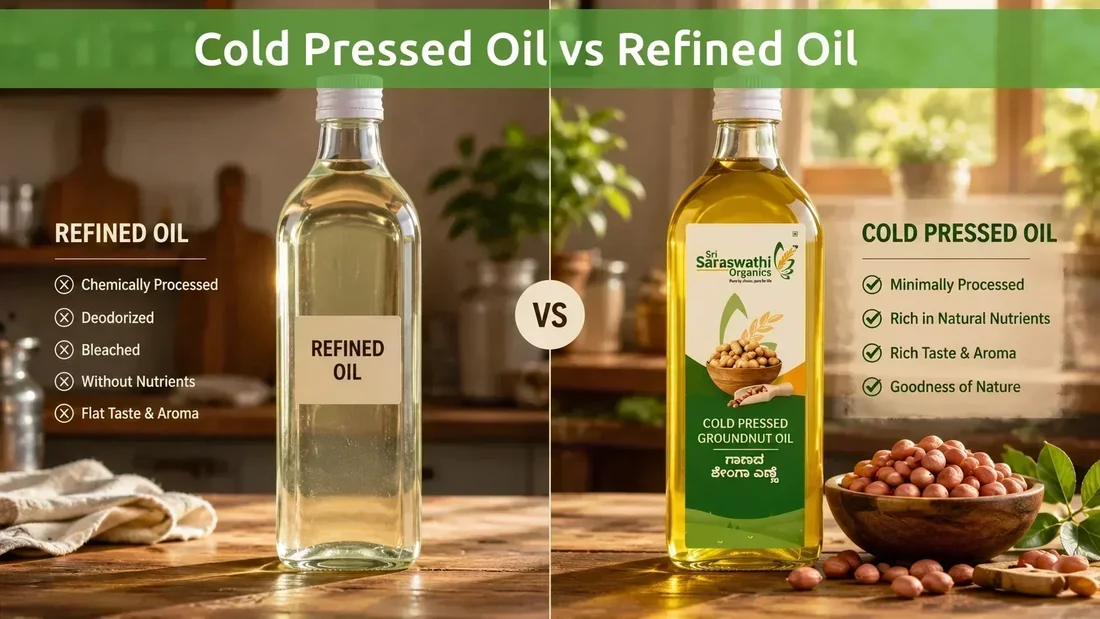
Another critical issue is what we eat. The modern diet, dominated by refined carbohydrates, excess sugar, chemical additives, and seed oils, has fundamentally altered human metabolism. Food has shifted from nourishment to convenience.
Even children are growing up disconnected from natural foods, while marketing makes unhealthy choices attractive and affordable. This dietary shift is closely linked to rising insulin resistance, fatty liver disease, and early-onset lifestyle disorders conditions once considered problems of old age.
Medicine vs Healing
While modern medicine has made advances in emergency care and infectious disease control, it often operates in a reactive mode. Symptoms are treated, but root causes—poor diet, emotional trauma, sedentary living, environmental toxins remain unaddressed.
This is where preventive health, traditional wisdom, and alternative approaches gain relevance. Practices such as yoga, meditation, mindfulness, naturopathy, and stress-reduction techniques do not replace modern medicine, but they complement it by strengthening the body’s natural resilience.
Positive thinking, when grounded in realistic self-care rather than denial, plays a powerful role. Studies show that optimism, purpose, and emotional regulation can influence recovery, immunity, and quality of life. Healing is not merely chemical; it is also cognitive and emotional.
The Way Forward: Health as a Daily Practice
True health in the 21st century requires a mindset shift. It is not about extreme diets, fitness fads, or miracle supplements. It is about consistency eating mindfully, moving daily, sleeping deeply, managing stress, and nurturing emotional balance.
Governments, schools, workplaces, and families all have roles to play. Health education must move beyond information to habit-building, especially among children. Preventive care should be incentivised, not treated as optional.
The biggest health revolution will not come from a lab or an app—but from individuals choosing to live consciously in a distracted world.
Also Read: https://newshashtag.com/can-bill-gates-still-be-trusted-on-the-ai-stage/
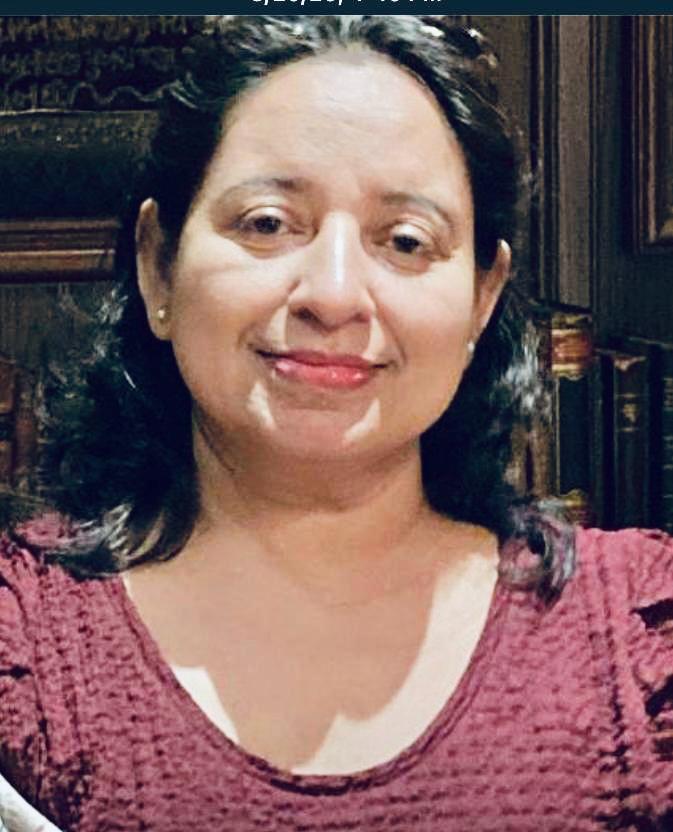
Prabha Gupta is a veteran journalist and civic thinker dedicated to the constitutional ideals of dignity and institutional ethics. With over thirty years of experience in public communication, her work serves as a bridge between India’s civil society and its democratic institutions. She is a prominent voice on the evolution of Indian citizenship, advocating for a national discourse rooted in integrity and the empowerment of the common citizen