






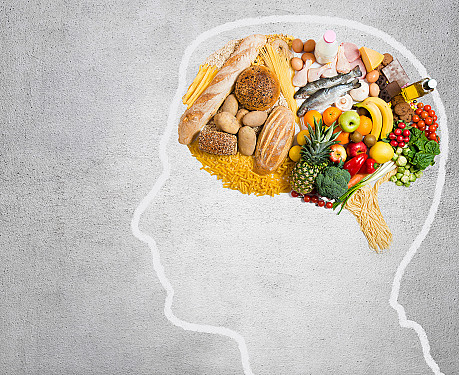
How Stress and Poor Diet Are Affecting Brain Health
How Stress and Poor Diet Are Affecting Brain Health-In an era defined by constant connectivity and relentless pace, mental strain has quietly become a part of everyday life. According to Dr Rahul Agarwal, a neurologist at AIIMS- the real threat to brain health often lies not in visible disorders but in the unnoticed habits people accept as normal.
The Normalisation of Chronic Stress
One of the most concerning trends today is the way chronic stress has been normalized. Many individuals spend their days in a constant state of tension—mentally alert, emotionally strained, and physically restless—without recognizing it as harmful. This continuous overstimulation is often mistaken for productivity or dedication.
However, the brain responds differently. Prolonged exposure to stress hormones, particularly cortisol, gradually alters how the brain functions. Memory processing weakens, focus becomes inconsistent, and emotional responses grow more reactive. Over time, the brain adapts to this heightened state, making it feel familiar and therefore harder to identify as a problem.
This is where the danger lies. When stress becomes the baseline, individuals are less likely to take corrective action. The result is a slow but steady decline in cognitive efficiency and emotional stability. Dr Rahul highlights that unlike short-term stress, which can sometimes enhance performance, chronic stress disrupts the brain’s natural balance and may increase vulnerability to neurological and psychological conditions.
The Hidden Impact of Poor Nutrition on the Brain
Alongside stress, diet plays a crucial yet often underestimated role in brain health. While many people focus on eating enough, they rarely consider whether their food is truly nourishing their brain. Modern eating habits, dominated by refined carbohydrates, sugar, and packaged foods, fail to provide essential nutrients required for optimal cognitive function.
The brain requires a steady supply of quality fuel, including complex carbohydrates, healthy fats, vitamins, and minerals. Diets high in sugar cause rapid spikes and crashes in energy levels, directly affecting concentration and mental clarity. This instability often leads to fatigue, irritability, and difficulty in sustaining attention.
A common outcome of such dietary patterns is what many describe as “brain fog.” This condition is marked by sluggish thinking, reduced focus, and a sense of mental haze. Though often dismissed as minor, it can significantly impact daily productivity and overall well-being.
Importantly, poor diet and stress tend to reinforce each other. Stress can drive individuals toward unhealthy food choices, while nutrient-deficient diets make it harder for the brain to cope with stress. This creates a cycle that gradually weakens both mental resilience and cognitive performance.
Dr Rahul suggests that breaking this cycle requires conscious lifestyle changes. Recognizing stress and actively managing it through techniques like mindfulness, physical activity, and proper rest is essential. At the same time, shifting towards a balanced diet rich in whole foods—such as fruits, vegetables, nuts, and healthy fats—can significantly improve brain function.
The most serious threats to brain health are often the least visible. Chronic stress and poor nutrition, when left unaddressed, silently impair cognitive abilities over time. Awareness and small, consistent changes in daily habits can go a long way in preserving mental clarity and long-term neurological health.

NewsHasghag operates a 24/7 news bureau that tracks the real-time, social media-driven stories from India and around the world, keeping you ahead of the day’s key talking points. Our digital-first approach transforms storytelling through the seamless integration of data, interactive charts, video, and audio into every narrative