

BRICS Summit: Has India’s Diplomatic Investment Delivered Results?
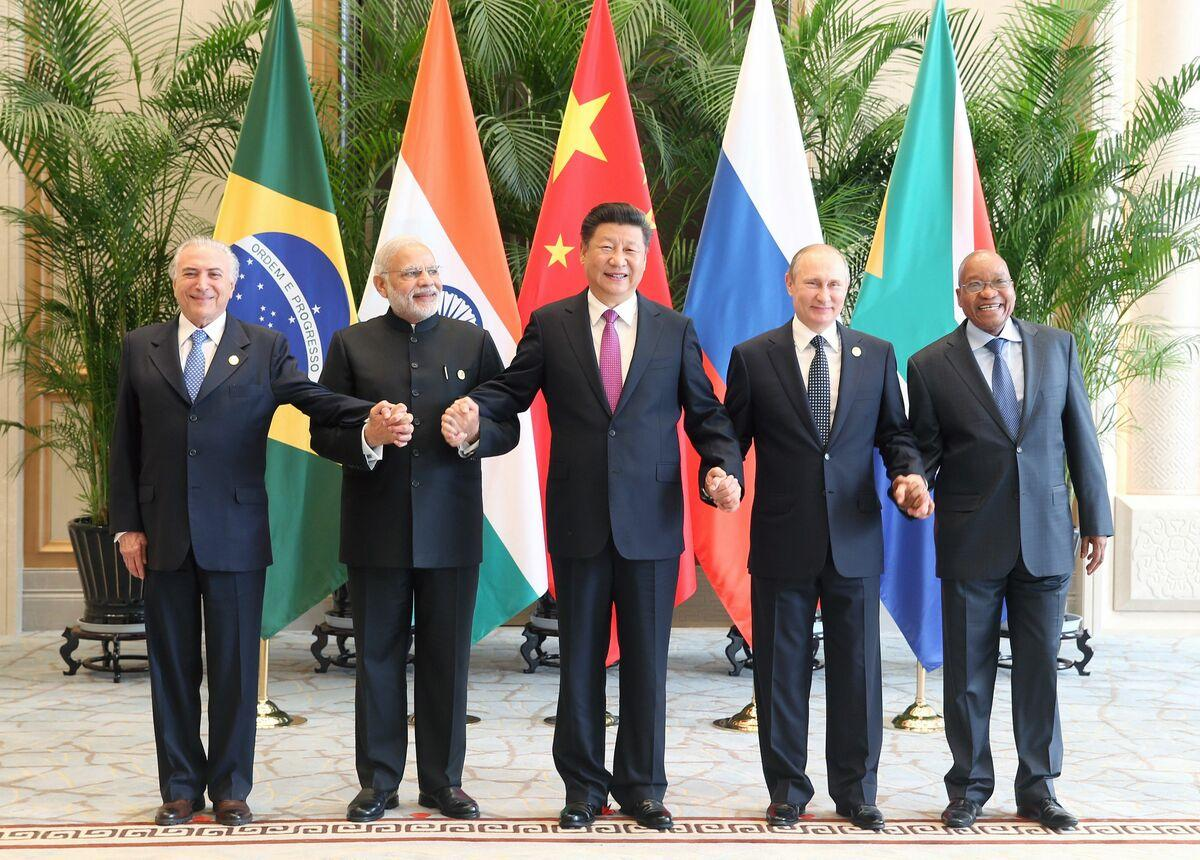
The BRICS Summit is the annual meeting of the leaders of the BRICS grouping—originally Brazil, Russia, India and China, with South Africa joining in 2011. The acronym itself was coined by Goldman Sachs economist Jim O’Neill in 2001 to describe the economic potential of emerging markets. The countries began meeting as a political and economic bloc in 2009. Its central purpose was to give major emerging economies a stronger collective voice in global institutions dominated by Western powers. Today, BRICS has expanded to 11 members and represents approximately half of the world’s population and around 40% of global GDP.
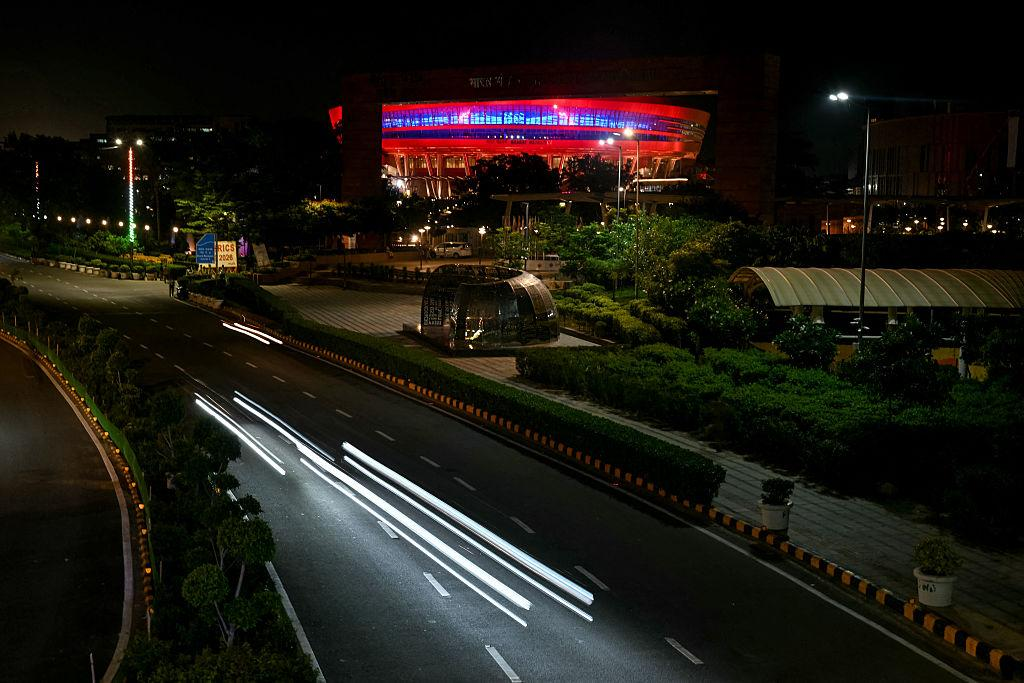
For India, hosting the 18th BRICS Summit in New Delhi on 12–13 September 2026 is both a diplomatic opportunity and a public-expenditure question. India assumed the BRICS chairmanship on 1 January 2026, and the government says that more than 350 meetings and high-level engagements have been held across 25 cities during the year. The official theme is “Building for Resilience, Innovation, Cooperation and Sustainability.”
Why Was BRICS Created?
BRICS was established to strengthen cooperation among emerging economies and to press for reforms in institutions such as the International Monetary Fund, the World Bank and the United Nations. Its agenda includes trade, investment, development finance, technology, health, agriculture, climate change and political coordination.
The grouping’s most substantial institutional achievement has been the New Development Bank, established in 2015. The bank was designed to finance infrastructure and sustainable-development projects in emerging markets. According to Reuters, it has approved 139 projects worth nearly $43 billion. BRICS countries have also created a Contingent Reserve Arrangement intended to provide short-term financial support during external-payment or liquidity crises.
These are tangible achievements. BRICS is not merely a leaders’ photo opportunity. It has created institutions, regular ministerial mechanisms and areas of cooperation that did not previously exist in this form.
Has It Served Its Original Purpose?
The answer is mixed.
BRICS has clearly increased the diplomatic weight of emerging economies. Its expanded membership gives countries from Asia, Africa, the Middle East and Latin America a platform outside traditional Western-led forums. The group has also kept alive the debate over reforming global financial institutions and reducing dependence on financial systems controlled by a small number of advanced economies.
However, the bloc has struggled to convert its size into a unified strategic position. Its members have different political systems, economic interests and foreign-policy priorities. India has close relations with the United States and other Western countries, while China and Russia often view BRICS more directly as a counterweight to Western influence. The expansion has increased the group’s reach, but it has also made consensus more difficult.
The question of a common BRICS currency illustrates this limitation. Although the idea has received considerable public attention, the 2026 Delhi declaration focused instead on improving cross-border payments and encouraging trade in local currencies. A unified currency did not emerge as a concrete outcome.
What Has India Achieved in 2026?
India’s presidency has produced several initiatives, according to the government. These include a digital public-infrastructure repository, cooperation on artificial intelligence, a mental-health training network coordinated by NIMHANS, agricultural research platforms, and proposed mechanisms for industrial innovation and startup cooperation.
The Delhi Summit also produced a joint declaration covering trade, terrorism, artificial intelligence, development finance and the conflict in West Asia. The declaration called for restraint, protection of civilians and diplomatic engagement. It also supported faster and cheaper cross-border payments and greater use of local currencies in trade.
These outcomes are relevant, but most are frameworks, networks or proposed mechanisms. Their value will depend on whether they lead to funded projects, measurable trade growth, easier payments, technology transfers or improved development outcomes.
How Much Has India Spent?
There is no single publicly available consolidated figure showing the total cost of India’s entire 2026 BRICS chairmanship and summit programme. This is partly because the presidency includes hundreds of meetings, ministerial conferences, exhibitions, travel arrangements, security operations, hospitality, communications and events across several cities.
One publicly reported expense is an estimated ₹2.84 crore tender for a BRICS-related immersive exhibition in Bhopal. But this is only one identifiable component and cannot be treated as the total cost of hosting BRICS.
The absence of a consolidated figure is itself a transparency issue. The government should publish a detailed expenditure statement showing spending by ministry, venue, event, security, publicity, transport, accommodation, consultants and infrastructure. It should also clarify which costs were temporary event expenses and which created lasting public assets.
The Real Test
The success of a summit cannot be measured only by the number of leaders attending, the number of meetings held or the language of the final declaration. It should be measured by what happens after the cameras leave.
For India, the practical benchmarks are clear: Did BRICS improve access to development finance? Did it increase trade and investment? Did it create workable payment arrangements? Did it advance cooperation in technology, health and agriculture? Did the country use the presidency to secure concrete benefits for Indian businesses, researchers and citizens?
BRICS has served its purpose to the extent that it has created a platform and institutions for emerging economies. But its future credibility will depend on implementation. India’s diplomatic investment may be justified if the summit produces durable cooperation. If the outcome remains limited to declarations, meetings and ceremonial visibility, the public will reasonably ask whether the expenditure matched the results.

Prabha Gupta is a veteran journalist and civic thinker dedicated to the constitutional ideals of dignity and institutional ethics. With over thirty years of experience in public communication, her work serves as a bridge between India’s civil society and its democratic institutions. She is a prominent voice on the evolution of Indian citizenship, advocating for a national discourse rooted in integrity and the empowerment of the common citizen