

NICE, FRANCE — When Prime Minister Narendra Modi landed in the French Riviera city of Nice, the touchdown signaled much more than the beginning of a routine European tour. Spanning a unique two-phase itinerary divided by a historic trip to Slovakia, Modi’s arrival for the G7 Summit in Evian and subsequent bilateral stops in Paris carries a distinct, high-stakes agenda. At a time when global geopolitics are deeply fragmented, New Delhi is positioning itself not just as an attendee, but as a crucial bridge between the West and the Global South. Central to this narrative are two defining diplomatic engagements: a deep-dive bilateral alignment with French President Emmanuel Macron and a highly anticipated sideline meeting with US President Donald Trump.
The Tech-Driven Entente with Macron
The first leg of the trip emphasizes that the modern India-France relationship is no longer merely transactional or restricted to legacy defense procurement. Meeting with President Macron in Nice, Modi’s agenda builds on the momentum of earlier this year, when bilateral ties were officially elevated to a “Special Global Strategic Partnership”.
An analytical look at their current schedule reveals a deliberate pivot toward economic technology, soft power, and digital infrastructure. The joint inauguration of the Bharat Innovates 2026 conclave—celebrating the dual “Year of Innovation”—shows how New Delhi is leveraging its massive startup ecosystem to secure Western venture capital and deep-tech collaborations. By embedding Nice and Paris into India’s proposed India-Middle East-Europe Economic Corridor (IMEC) blueprint, Modi is effectively ensuring that France remains India’s most dependable, all-weather strategic anchor within the European Union.
Navigating the Trump Paradox at Evian
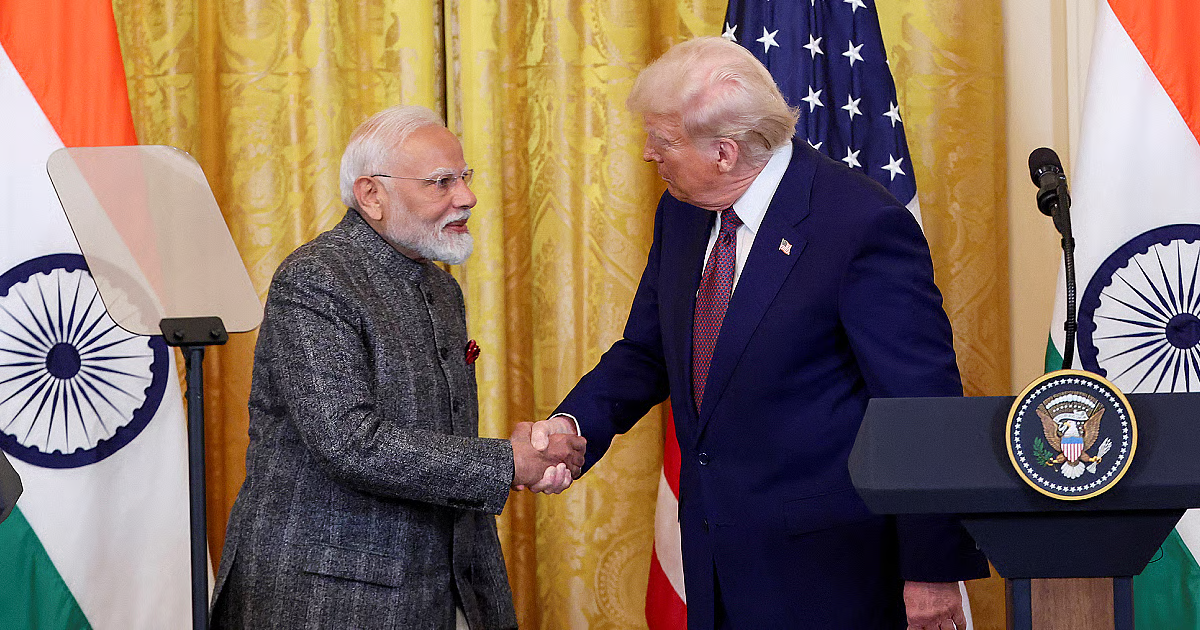
While the engagements with Macron are characterized by institutional warmth and continuity, the true center of gravity for global onlookers lies on the sidelines of the 52nd G7 Summit in Evian: the scheduled face-to-face interaction with Donald Trump. This marks their first direct meeting since early 2025 in Washington, arriving at a critical juncture for India-US relations.
From a journalistic standpoint, the Modi-Trump dialogue cannot be viewed purely through the lens of personal camaraderie. The bilateral relationship has recently faced noticeable headwinds, strained by Washington’s aggressive posture on cross-border legal sensitivities and a renewed wave of steep trade tariffs imposed on New Delhi.
Modi’s primary objective in Evian will be to balance economic self-interest with strategic alignment. Trump’s transaction-heavy foreign policy means that India will likely pitch expanded defense production, critical mineral value chains, and semiconductor cooperation to offset tariff grievances. For Modi, stabilizing the American track is vital to maintaining a unified front on Indo-Pacific maritime security and managing regional volatility.
Redefining India’s Global South Mandate
Beyond the headline-grabbing bilateral meetings, Modi’s seventh consecutive appearance at the G7 Outreach sessions underscores India’s evolving role in the multilateral arena. Representing a prominent voice for developing economies, the Prime Minister is tasked with injecting Global South priorities—such as renewable energy access, digital public infrastructure (DPI), and balanced AI rollouts—into an agenda traditionally dominated by Western macroeconomic interests.
Ultimately, this European tour represents a sophisticated exercise in multi-alignment. By matching the strategic stability of France against the unpredictable, tariff-driven landscape of a Trump-led Washington, Modi is reinforcing India’s strategic autonomy. The outcome of this visit will likely dictate how effectively New Delhi can insulate its domestic economy from global trade frictions while continuing to command a seat at the world’s most influential diplomatic tables.
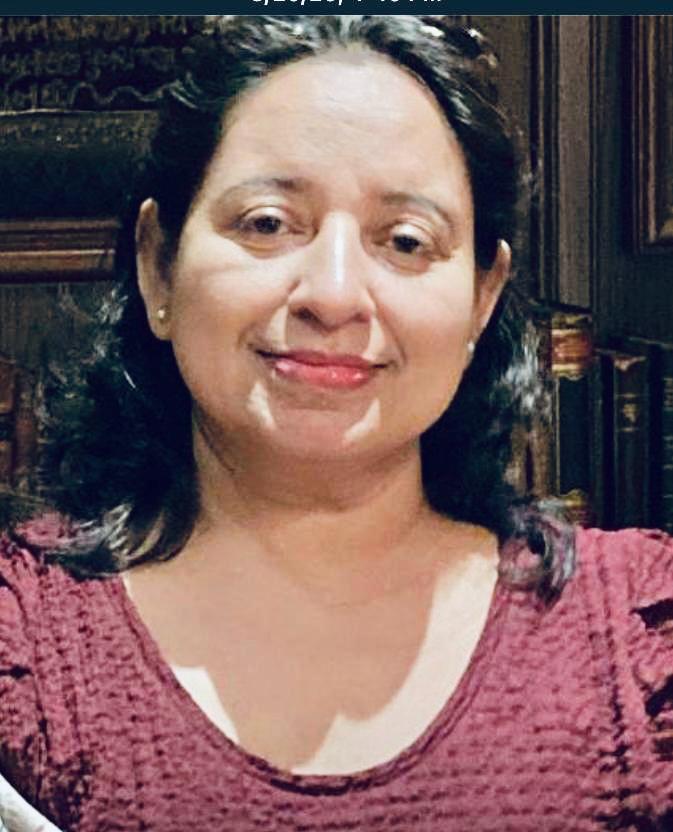
Prabha Gupta is a veteran journalist and civic thinker dedicated to the constitutional ideals of dignity and institutional ethics. With over thirty years of experience in public communication, her work serves as a bridge between India’s civil society and its democratic institutions. She is a prominent voice on the evolution of Indian citizenship, advocating for a national discourse rooted in integrity and the empowerment of the common citizen