

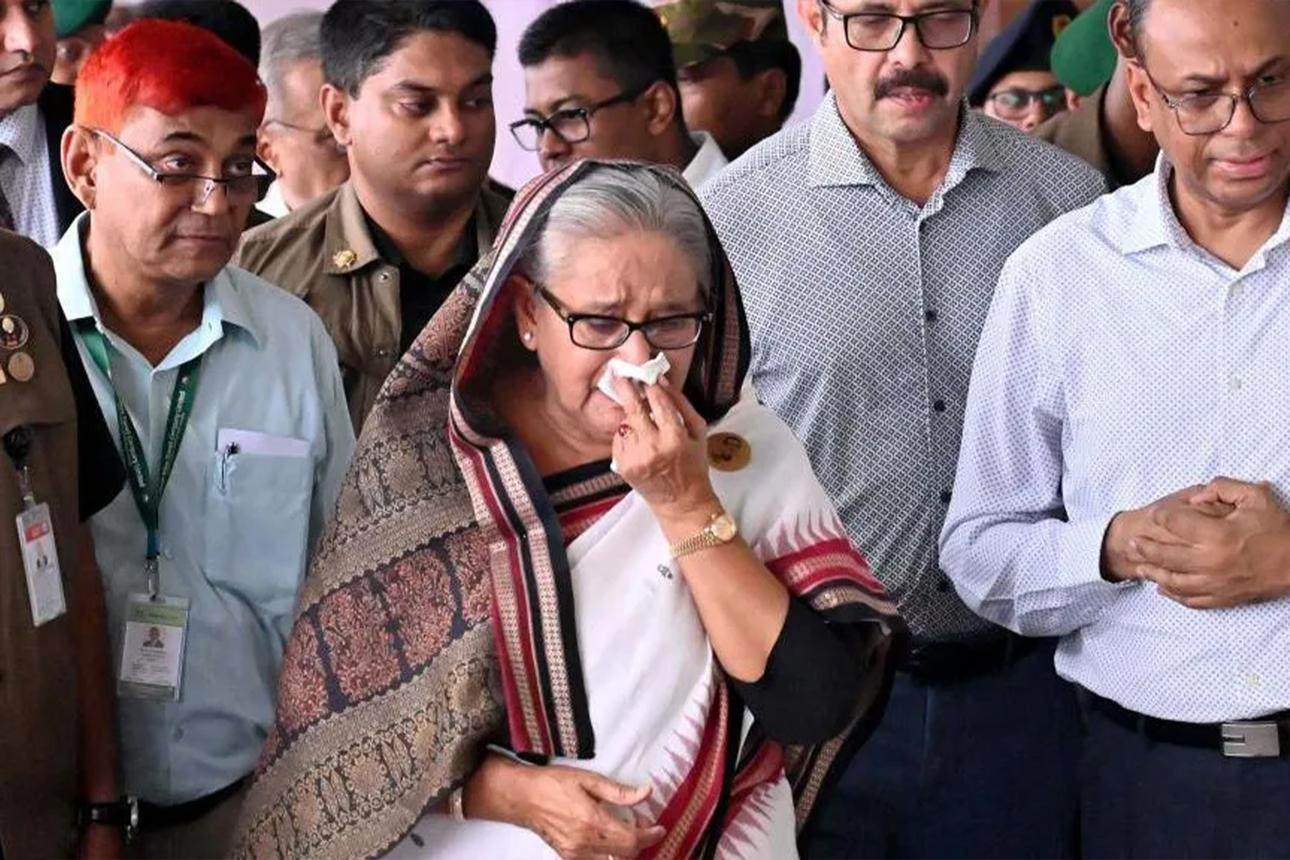
Sheikh Hasina Says She Will Return. But Who Really Changed Bangladesh?
Sheikh Hasina has now said she will return to Bangladesh in December—even though she faces a death sentence in absentia and the Awami League remains banned from political activity. She says she is prepared to face arrest, imprisonment or even death.
Her announcement raises a question far bigger than the fate of one former prime minister:
How did Bangladesh reach the point where a leader who had ruled the country for 15 years was forced to flee—and what forces were really at work behind her fall?
The immediate trigger was the student movement of 2024.
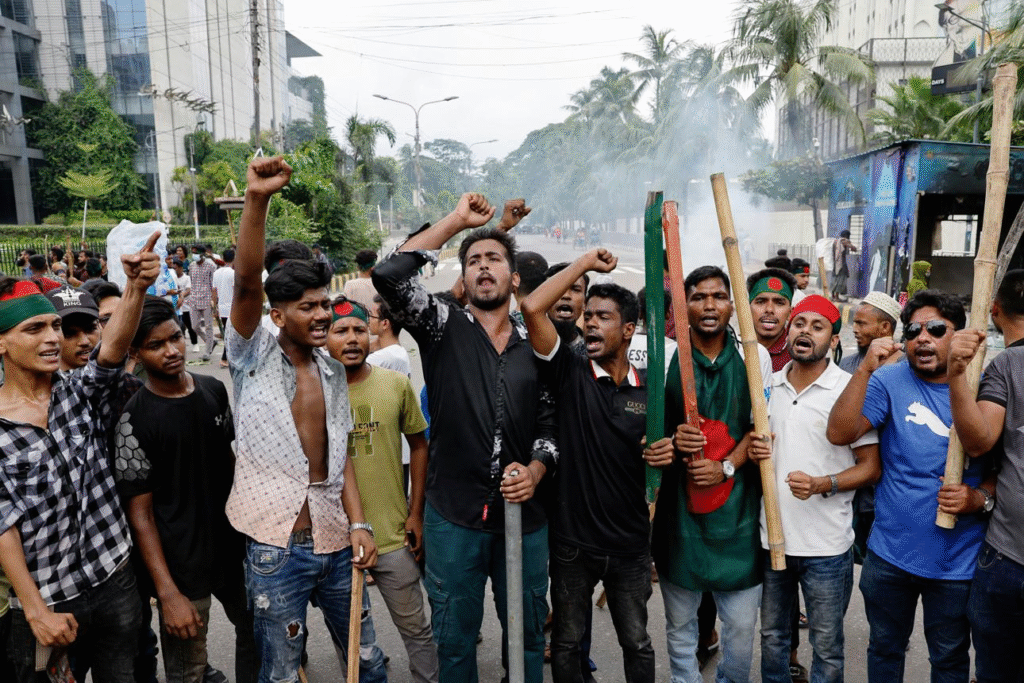
It began with opposition to the public-sector job quota system. But the anger quickly moved beyond quotas. A generation of young Bangladeshis was increasingly frustrated with unemployment, limited opportunities, political exclusion and what it perceived as shrinking democratic space.
Then came the crackdown.
As violence against protesters intensified, the movement expanded from university campuses into a nationwide uprising. According to UN estimates, as many as 1,400 people may have been killed during the unrest. On August 5, 2024, Hasina fled to India.
But is that the complete story?
Or was there a deeper geopolitical layer to Bangladesh’s political upheaval?
For years, Sheikh Hasina herself accused the United States of seeking regime change in Bangladesh. She also made controversial claims involving strategic interests around St Martin’s Island and the Bay of Bengal.
Russia, too, had publicly accused Washington of attempting to interfere in Bangladesh’s political process before the 2024 election.
And since Hasina’s fall, analysts and commentators have continued to debate whether foreign governments, international organisations or geopolitical interests played a role in creating pressure around her government.
These claims deserve scrutiny—but they also require evidence.
There is an important distinction between foreign interest in Bangladesh and proof of a foreign-engineered regime change.
Bangladesh occupies a strategically important position between India, China, the Bay of Bengal and Southeast Asia. Its ports, maritime geography, manufacturing base and relationship with major powers make its political direction important far beyond its borders.
So the question should not be:
“Did America overthrow Sheikh Hasina?”
The more serious question is:
“Did domestic anger create the opening, while external geopolitical interests attempted to shape what came next?”
That is a question worth investigating.
The legal dimension is equally consequential.
Bangladesh’s International Crimes Tribunal convicted Hasina in absentia over crimes against humanity linked to the suppression of the 2024 uprising. Prosecutors argued that she bore responsibility for the use of lethal force against protesters. Hasina has rejected the charges and called the proceedings politically motivated.
Now she wants to return.
If she does, Bangladesh will face an extraordinary political test: can it deliver accountability without permanently eliminating political pluralism?
And what happens to the Awami League?
The party is much older than Sheikh Hasina. Its historical role in Bangladesh’s independence cannot simply be erased. But neither can the grievances that brought young people onto the streets.
Perhaps the real battle ahead is not simply between Hasina and her opponents.
It is between accountability, democracy, nationalism and geopolitics.
Bangladesh’s next chapter may depend on how honestly it confronts all four.

Prabha Gupta is a veteran journalist and civic thinker dedicated to the constitutional ideals of dignity and institutional ethics. With over thirty years of experience in public communication, her work serves as a bridge between India’s civil society and its democratic institutions. She is a prominent voice on the evolution of Indian citizenship, advocating for a national discourse rooted in integrity and the empowerment of the common citizen