




Strait of Hormuz: How Close Is the World to an Energy Shock?
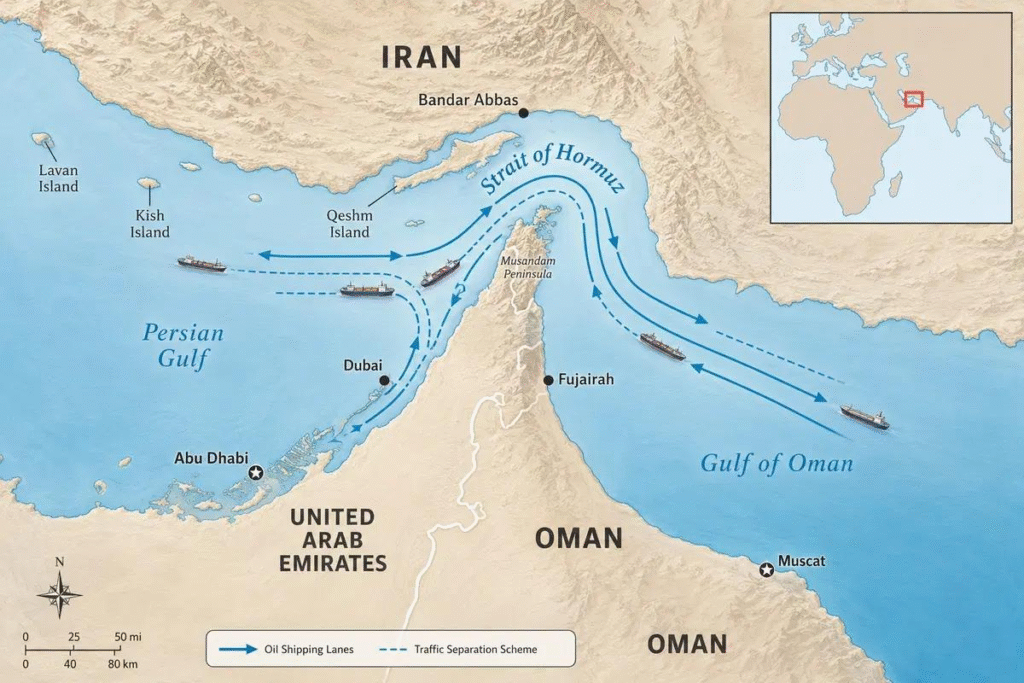
The Strait of Hormuz is barely 39 kilometres wide at its narrowest point. Yet this narrow waterway has become one of the biggest pressure points for the global economy. As military tensions continue and commercial shipping through the strait falls sharply, the question is no longer whether Hormuz matters. It is how long the global economy can absorb the disruption before an energy shock reaches consumers, industries and governments.
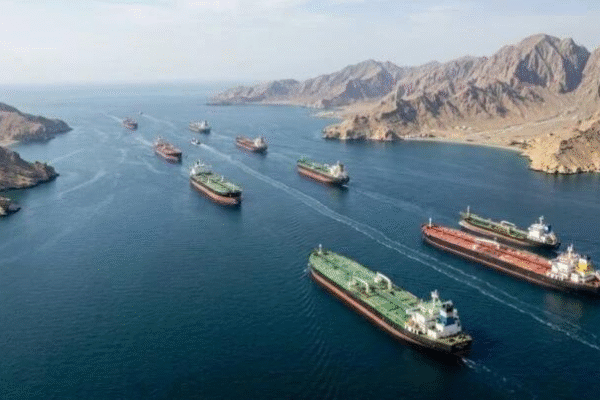
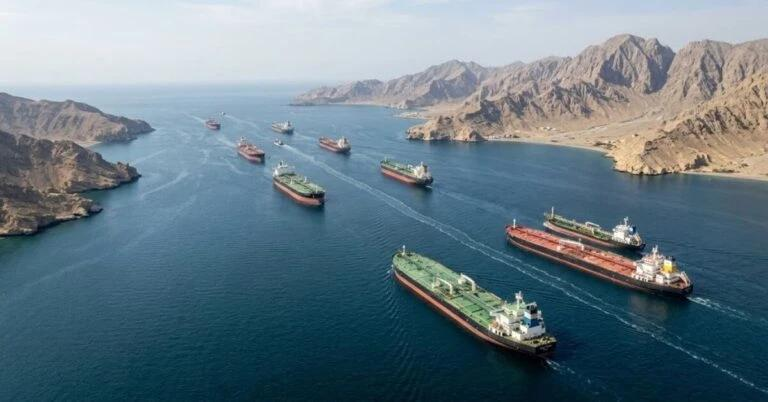
The latest signs are worrying. Just 17 commodity vessels crossed the Strait of Hormuz over the weekend, compared with 37 a week earlier. A tanker entering the waterway was also struck by an unidentified projectile on Monday, injuring two crew members. The vessel continued towards port under its own power.
Hormuz Is Not Just an Oil Route. It Is the Global Economy’s Chokepoint
The importance of Hormuz lies in the extraordinary volume of energy that passes through it. The International Energy Agency estimates that around 20 million barrels of crude oil and oil products moved through the strait each day in 2025—roughly a quarter of global seaborne oil trade. Around 80% of that oil was destined for Asian markets.
That makes this primarily an Asian energy-security problem, even though the economic consequences would be global. China, India, Japan and South Korea are among the major destinations for Gulf energy. A sustained disruption would therefore affect not only oil traders but also airlines, transport companies, manufacturers and households.
The danger extends beyond crude oil. Almost all LNG exports from Qatar and the UAE also pass through Hormuz. Together, those flows represented close to 20% of global LNG trade in 2025, according to the IEA.
This is why a prolonged disruption could quickly become an inflation story. More expensive crude means higher transportation costs. Higher freight and insurance costs add another layer. Energy-intensive industries face higher production costs, while governments may come under pressure to shield consumers from rising fuel prices.
For India, the stakes are particularly significant. The country remains heavily dependent on imported crude, and Asian buyers are major recipients of Gulf oil. Any prolonged increase in global crude prices can therefore affect India’s import bill, the rupee, inflation and the finances of oil-marketing companies.
The crucial question is whether the world has enough alternatives.
Can the World Reroute Around Hormuz?
There are alternatives, but they cannot fully replace Hormuz. The IEA estimates that only about 3.5 million to 5.5 million barrels a day of available pipeline capacity can potentially bypass the strait through Saudi Arabia and the UAE. That is far below the roughly 20 million barrels a day that normally pass through Hormuz.
That gap explains why even a partial disruption can have an outsized effect on prices. The problem is not simply the number of barrels physically lost. Markets price in uncertainty, risk and the possibility that the disruption could become longer or wider.
There are already signs of the cost of keeping oil moving. Reuters reports that Gulf producers are using increasingly complex “shuttle” arrangements to keep exports flowing despite the conflict, while the cost of transporting oil has risen sharply.
This creates an uncomfortable situation. Oil may continue reaching global markets, but at a much higher logistical and financial cost.
And that may be the real energy shock—not necessarily an overnight disappearance of oil, but a prolonged period of expensive, uncertain supply.
The global economy has experienced energy disruptions before. But Hormuz is different because of the sheer concentration of oil and gas flows through one narrow maritime corridor. The IEA has warned that a prolonged disruption would have major consequences for global oil markets and could quickly produce physical shortages.
For India, the lesson is particularly important. Diversifying crude suppliers helps, but diversification of suppliers cannot completely eliminate geographical dependence on Gulf shipping routes. Strategic reserves, alternative pipelines, domestic production, renewable energy and greater energy efficiency all become more important when a single waterway can influence the price of fuel thousands of kilometres away.
The Strait of Hormuz is therefore not simply a geopolitical flashpoint. It is a test of the resilience of the global energy system.
The world does not necessarily need a complete closure of Hormuz to experience an energy shock. If ships continue moving but in smaller numbers, with higher insurance premiums, longer delays and soaring freight rates, the economic consequences can still spread across borders.
The most important question now is not only whether Hormuz will remain open. It is whether the global economy can afford the price of keeping it open under conditions of prolonged conflict.

Gyaneshwar brings more than three decades of distinguished journalistic experience to the team. He has contributed significantly to both print and electronic media and directed several documentary films. For over 35 years, he has held key editorial roles in newspapers and TV channels, including The Pioneer and JAIN TV. Known for his balanced perspective and in-depth analysis, he brings leadership and expertise, and ensures accuracy, relevance, and clarity in every story.