

After Mayawati, Is There a BSP Left?
Mayawati’s repeated reshuffling of the party’s second line has exposed a deeper problem: the BSP’s future may be less about succession and more about survival.
For decades, the Bahujan Samaj Party was one of the defining forces of Uttar Pradesh politics. It was once difficult to discuss Dalit politics in the state without discussing Mayawati. The BSP did something that few political organisations had managed to do: it converted Dalit social mobilisation into a powerful electoral force and, in 2007, won an outright majority in Uttar Pradesh with 206 Assembly seats.
Today, that political force looks dramatically different. The BSP has just one MLA in the 403-member Uttar Pradesh Assembly. In the 2024 Lok Sabha election, it won no seat in Uttar Pradesh, while its vote share fell to 9.39%. In the 2022 Assembly election, it won only one seat with 12.88% of the vote.
And now, with the 2027 Assembly election approaching, another question has moved to the centre of the BSP’s future: After Mayawati, is there a BSP left?
The party that became synonymous with one leader
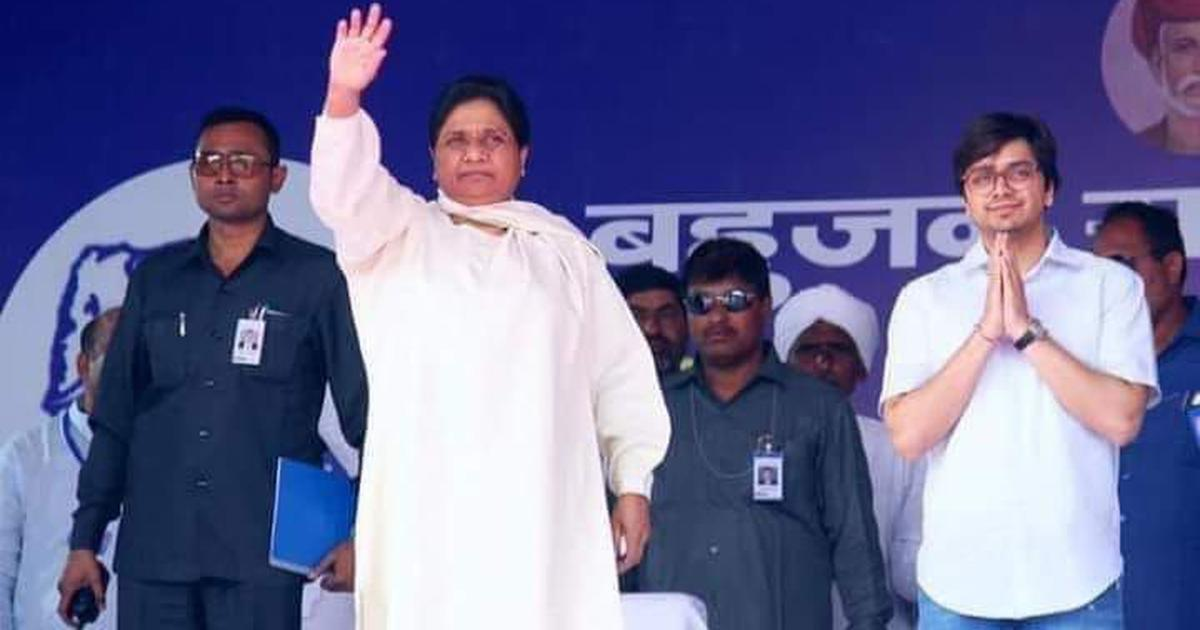
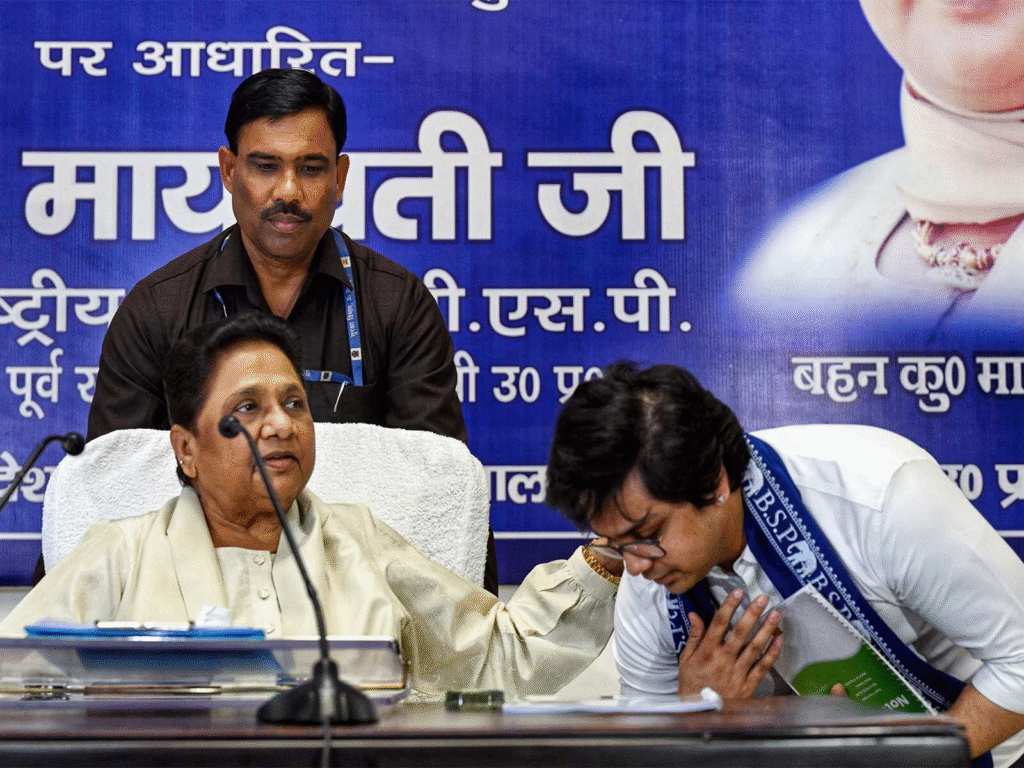
Mayawati is 70. She remains the undisputed centre of the BSP. Her photograph dominates the party’s public identity. Her statements define its political position. Candidate selection, organisational strategy and electoral direction remain closely associated with her.
That concentration of authority once looked like strength. But political organisations eventually face a difficult test: Can the institution survive the person who built or dominated it?
The BSP’s recent succession story offers few clear answers. Akash Anand was declared Mayawati’s successor in December 2023 and appointed national coordinator. Since then, however, he has repeatedly been promoted, removed and brought back. In September 2026, Mayawati again stripped him of party responsibilities and subsequently said neither Akash nor his brother Ishan would hold a political position in the BSP.
Mayawati has presented the decision as a matter of political maturity, discipline and commitment to the Bahujan movement. She has also said that family members should not receive positions simply because they are relatives.
Whatever the internal reasons, the repeated reversals have exposed a larger organisational question: Where is the second line of BSP leadership?
From 206 seats to one
The electoral numbers tell an even bigger story. In 2007, Mayawati led the BSP to a majority government with 206 Assembly seats and about 30.4% of the vote. Five years later, the party lost power.
In 2017, the BSP was reduced to 19 seats. In 2022, it fell to just one. Its vote share declined from 22.23% in 2017 to 12.88% in 2022.
The 2024 Lok Sabha election brought another shock. The BSP contested Uttar Pradesh independently and won no seat, receiving 9.39% of the vote.
A party can lose elections and still remain politically relevant. But when seats, vote share, organisational visibility and leadership succession all become questions at the same time, the issue is no longer simply electoral defeat. It becomes a question of institutional survival.
The Dalit vote has not disappeared
This is where the BSP’s story becomes more complicated. The decline of the BSP does not mean the political concerns that created the party have disappeared. Dalit representation, social discrimination, reservation, constitutional rights and political empowerment remain important issues.
What has changed is the relationship between those concerns and the BSP. Other political formations are increasingly trying to occupy political space among Dalit voters in Uttar Pradesh. The Samajwadi Party has been reaching beyond its traditional support base through its PDA politics. The BJP has also pursued outreach to Dalit communities. Meanwhile, Chandrashekhar Azad’s Azad Samaj Party has emerged as another political player seeking space among Dalit voters.
The question therefore is not whether Dalit politics has ended. The question is whether the BSP remains its principal political vehicle.
The strange paradox of the BSP
There is a striking paradox here. The BSP may be electorally weak, but the political space associated with its original social coalition remains highly valuable. That is why other parties are interested in the Dalit vote.
And that is also why the BSP’s decline matters beyond the party itself. If the BSP loses its independent political influence, its traditional voters do not simply disappear. They have choices. They can shift between parties, split across constituencies or support newer formations.
That makes the BSP’s future potentially important even if its current electoral numbers are modest.
Is the elephant still capable of walking?
The BSP’s elephant symbol once represented a party that could move from the margins of Uttar Pradesh politics to the centre of power. Today, the elephant faces a very different political landscape.
Mayawati has announced greater participation of Gen-Z in the organisation and said the approach will extend to candidate selection for upcoming Assembly elections.
That is potentially significant. But bringing younger people into an organisation is not the same as creating independent political leadership.
The BSP needs more than candidates. It needs people who can speak to a new generation, build local organisations, communicate beyond Mayawati’s personality and persuade voters that the party represents their future—not merely its history.
The real question is bigger than Mayawati
It would be premature to write the BSP’s obituary. Political parties have recovered from electoral setbacks before. A single election can change political calculations, and the BSP still has a recognisable social identity and an established organisational history.
But the evidence of decline cannot be ignored. The party that once won 206 Assembly seats now has one MLA. The party that once commanded a significant share of Uttar Pradesh’s Lok Sabha vote received 9.39% in 2024 and won no seat. And the party’s attempt to create a next generation of leadership has repeatedly run into reversals.
That brings us back to the uncomfortable question: After Mayawati, is there a BSP left—or has the BSP become so inseparable from Mayawati that the future of one has become the future of the other?
The answer may not come from another Mayawati speech. It may come from the voters of Uttar Pradesh—and from whether the BSP can build an organisation that can stand when its tallest political figure eventually steps aside.
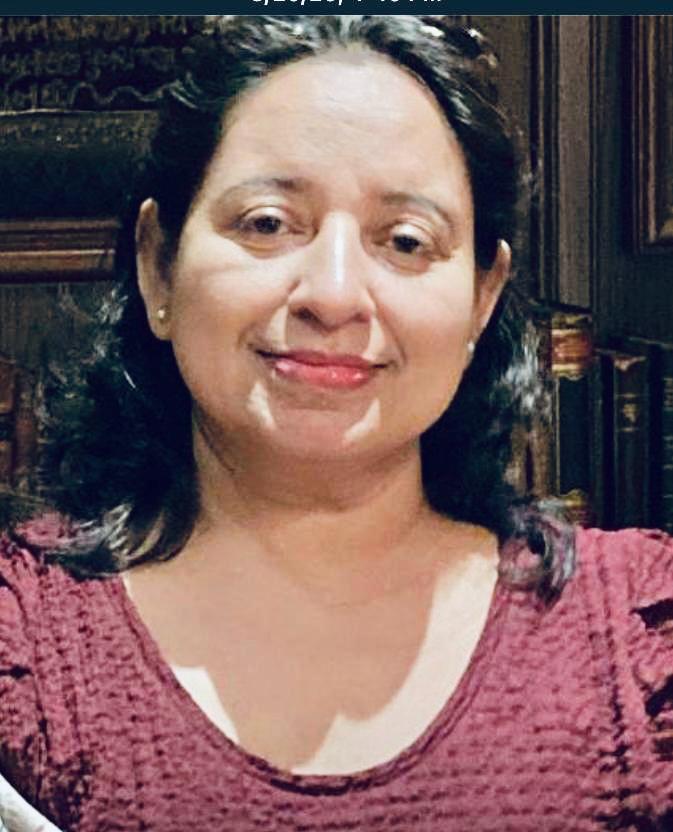
Prabha Gupta is a veteran journalist and civic thinker dedicated to the constitutional ideals of dignity and institutional ethics. With over thirty years of experience in public communication, her work serves as a bridge between India’s civil society and its democratic institutions. She is a prominent voice on the evolution of Indian citizenship, advocating for a national discourse rooted in integrity and the empowerment of the common citizen