



ICE Shoots Venezuelan Immigrant in Austin: Is America’s Immigration Crackdown Going Too Far?”
The shooting of a Venezuelan immigrant by a U.S. Immigration and Customs Enforcement (ICE) officer in Austin has once again placed a difficult question at the centre of America’s immigration debate: how far can immigration enforcement go before the pursuit of deportation and border control begins to collide with basic questions of accountability, proportionality and human rights?
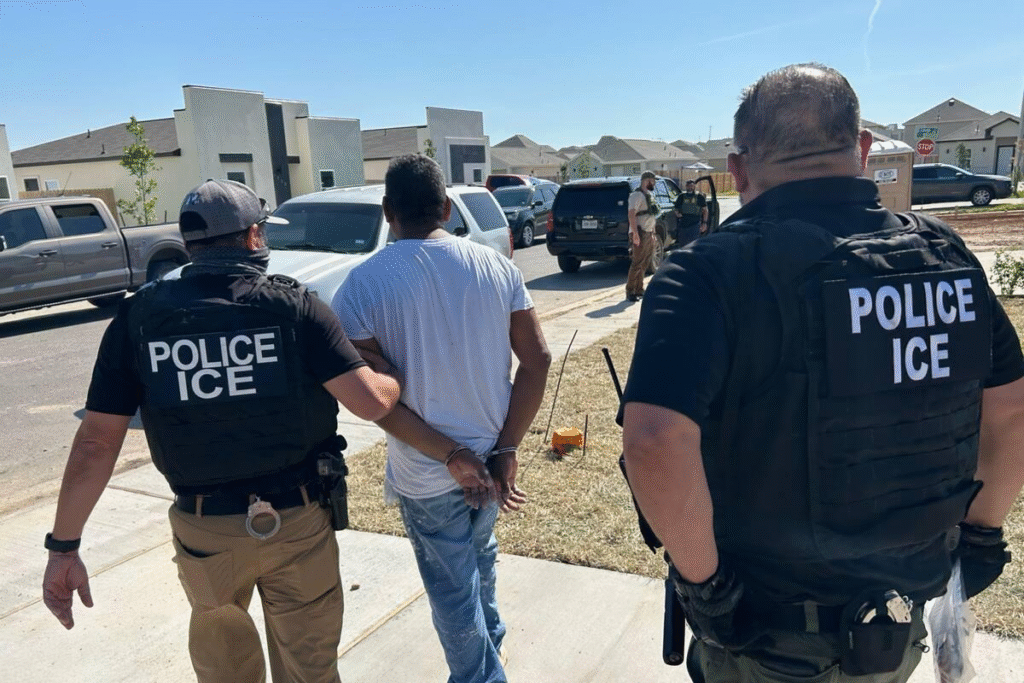
On September 20, an ICE officer shot a man during a traffic stop and brief foot pursuit in North Austin. The man was shot in the torso and taken to hospital in serious but stable condition. His immigration attorney identified him as 28-year-old Venezuelan national Wilber Rafael Garces Perez. The precise circumstances of the shooting remain under investigation. Austin police were not involved in the operation, and local officials have called for an independent investigation involving Austin police and the Texas Rangers.
That uncertainty is precisely why the incident demands scrutiny rather than instant conclusions.
The questions are straightforward. Why was deadly force used? What happened during the foot pursuit? Was the man armed? What instructions were given by the federal agents? Was there an immediate threat to the officer or anyone else? And why should the agency involved in the shooting be left to investigate itself?
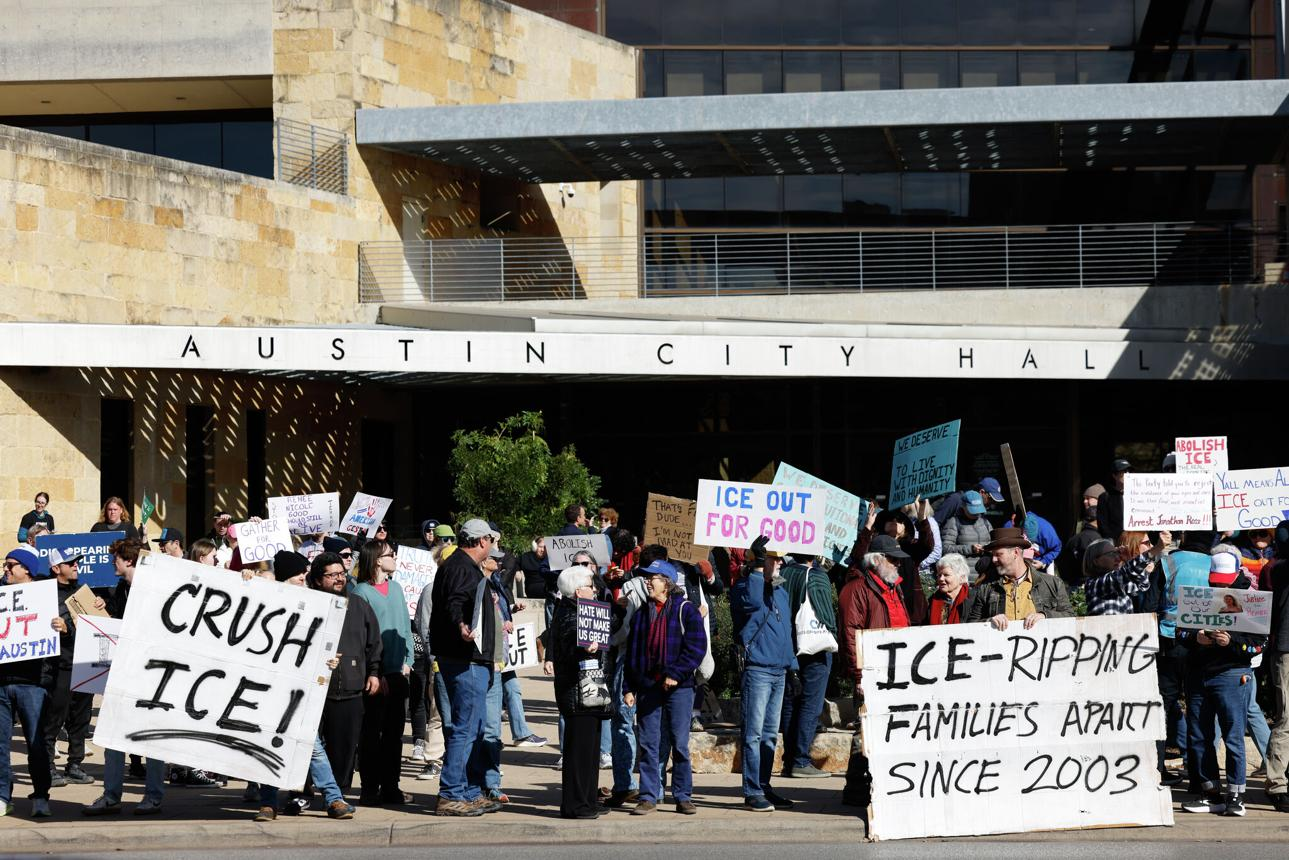
Austin Mayor Kirk Watson has argued that local authorities should have a role in the investigation to provide independent oversight. The Travis County district attorney’s office has also requested access to evidence from the federal government. These demands underline a fundamental principle of democratic policing: when government agents use potentially lethal force, the public should not have to rely solely on the agency’s own account.
The Austin shooting also cannot be viewed entirely in isolation.
In July, ICE agents fatally shot Lorenzo Salgado Araujo in Houston. ICE said he had attempted to run over a federal officer during a vehicle stop; the circumstances remain a subject of scrutiny.
In Minnesota, ICE agent Christian Castro has been charged with assault and making false statements in connection with the January shooting of Venezuelan national Julio Cesar Sosa-Celis. Prosecutors allege Castro shot Sosa-Celis through an apartment door while children were inside and later falsely reported that he had been attacked. Castro’s lawyers dispute the allegations, and the case will be decided through the courts. DHS has suspended him.
The broader pattern is significant. An analysis published by EL PAÍS in July, citing the Gun Violence Data Hub, counted at least 29 shootings involving ICE and Border Patrol agents since Donald Trump returned to the White House, with at least eight resulting in deaths, although the precise count varies according to which federal immigration agencies and incidents are included.
The Trump administration argues that aggressive immigration enforcement is necessary to remove people who are unlawfully present and strengthen public safety. That objective is within the government’s authority. But enforcement authority does not eliminate the requirement for proportionality, due process and accountability.
The real issue, therefore, is not whether a country has the right to enforce its immigration laws. It does. The question is whether enforcement agencies exercising extraordinary powers are subject to equally strong safeguards.
An immigration violation is an administrative or legal matter. It should not, by itself, become a licence for unnecessary violence.
The Austin shooting is still developing. That makes independent investigation even more important. The public needs evidence, not competing narratives; transparent investigations, not institutional silence; and accountability when officers are found to have crossed legal boundaries.
America’s immigration debate is often reduced to numbers—arrests, deportations, removals and border crossings. But behind those numbers are human beings. When enforcement becomes increasingly visible through guns, shootings and deaths, the question is no longer merely how effectively America can remove immigrants. It is how it can enforce its laws without losing sight of the rule of law itself.

NewsHasghag operates a 24/7 news bureau that tracks the real-time, social media-driven stories from India and around the world, keeping you ahead of the day’s key talking points. Our digital-first approach transforms storytelling through the seamless integration of data, interactive charts, video, and audio into every narrative