

When Sonia Gandhi Said No to Power
The year was 2004. The Lok Sabha election results had delivered an unexpected political shift. The BJP had lost ground, while the Congress emerged as the single largest party, paving the way for the formation of a new government. The Congress moved swiftly to consolidate support, bringing its alliance partners together. At a meeting of the Congress Parliamentary Party, Sonia Gandhi was unanimously chosen as its leader. The political buzz in Delhi was unmistakable: she was all set to become India’s next Prime Minister.
But events took an unexpected turn. At the moment when the country’s highest political office seemed within her reach, Sonia Gandhi announced that she would not accept the post. Her decision left the Congress establishment stunned. Party workers took to the streets, holding demonstrations and urging her to reconsider. Yet she remained resolute. The responsibility of leading the government eventually went to Manmohan Singh.
The First Time Sonia Rejected Politics
This was not the first time she had stepped away from political power. After Rajiv Gandhi’s assassination, the entire Congress leadership turned to Sonia, urging her to take charge of the Nehru-Gandhi family’s political legacy. She was repeatedly persuaded, but she refused. Had she agreed at that time, she might well have become Prime Minister. But she declined then, too.
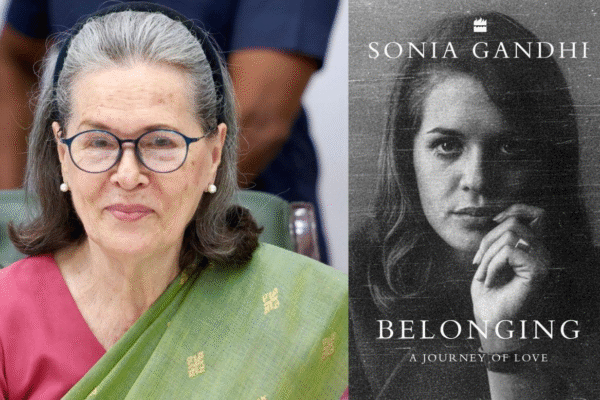
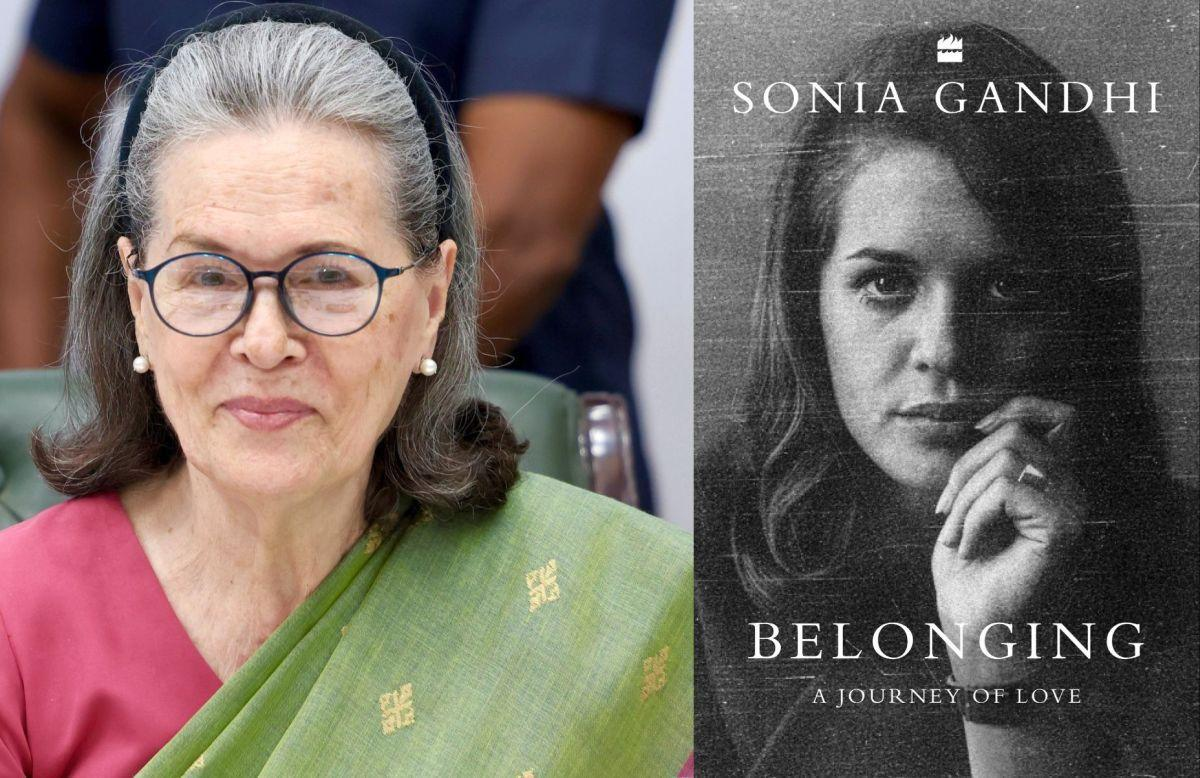
On two occasions, she kept power at a distance. Why? Sonia has attempted to explain her reasons in her book. But the real point is not simply that she did not become Prime Minister. It is that she had the opportunity and chose not to pursue it.
Greed and the hunger for power can make people do almost anything. Sonia, however, chose not to play that game. Even after Indira Gandhi’s assassination, she was reportedly opposed to Rajiv becoming Prime Minister. She wanted an ordinary life. Yet the more she distanced herself from power, the closer political responsibility seemed to draw her.
Eventually, she took over as Congress president to prevent the party from falling apart. She went on to become its longest-serving president, holding the position until Rahul Gandhi took over. Her public conduct and political demeanour have generally remained dignified. In this respect, she stands in contrast to Maneka Gandhi, Indira Gandhi’s other daughter-in-law. Sonia continues to wield considerable influence within the Congress, while Maneka has not enjoyed a comparable position in the party. The BJP has often used Maneka’s presence to needle the Nehru-Gandhi family, but it has never given her the same stature that Sonia acquired within the Congress.
She Was Determined to Preserve the Legacy
Sonia’s distinction was not merely that she married into the Nehru-Gandhi family. It was her determination to preserve the historical legacy of that family. After Rajiv’s death, she could have returned to Italy, but she chose to remain in India and hold the family together.
There is little need to explain how politically astute she became. The extent of her role in removing Sitaram Kesri from the Congress presidency remains unclear. But had Kesri continued in the position, the party might have faced an existential crisis. At that time, the Congress needed someone capable of placing the party’s survival above personal ambition. Kesri was a politician, but he could not rise above the party’s internal power struggles. Sonia, by contrast, placed the party’s interests above her own and rarely gave the impression that she was chasing power or positioning herself for the Prime Minister’s office.
Had someone else occupied her position, party leaders might not have allowed that person to remain in control for long. Sonia understood the political landscape. By staying away from the direct pursuit of power, she fashioned a dignified political role for herself, which eventually became one of her greatest strengths.
Mahatma Gandhi followed a similar path. He was deeply involved in politics but kept himself away from its manipulative power games. The further he moved from the pursuit of office, the greater his influence became.
The Political Lesson She Learned
There was one significant political mistake in her career. After the fall of Atal Bihari Vajpayee’s first government, Sonia Gandhi claimed that she had the support of 272 MPs and could form an alternative government. I was present in the forecourt of Rashtrapati Bhavan at the time. Subsequently, Mulayam Singh Yadav refused to extend his support.
Sonia learned an important political lesson from that episode: never reveal all your cards. Listen to people, consult others and announce your decision only after careful deliberation.
The Challenges Sonia Faced
Sonia was an outsider in Indian politics. In India’s deeply entrenched, hierarchical social and political structure, gaining acceptance was never going to be easy, particularly for a woman of foreign origin entering the country’s highest political arena. It was like walking on the edge of a sword. Even an innocent mistake could have been used to discredit her entire political persona.
She had to manage a weakening Congress while simultaneously carrying forward the political legacy of her family. She prevented the party from disintegrating. Even after 2014, when the family came under intense political attack from several directions, she remained steadfast.
Initially, many believed that promoting Rahul Gandhi was a serious mistake, perhaps the result of excessive maternal attachment. But today, the author argues, the decision appears more defensible. Rahul is the natural political successor to that family. He possesses the determination and courage required to challenge communal politics. A faint-hearted person, whether a man or a woman, cannot take on the BJP leadership of Narendra Modi and Amit Shah, particularly when backed by the ideological machinery of the RSS.
The Power of Conviction
In an interview, Sonia Gandhi reportedly recalled how she had once been afraid of politics and how Rajiv’s death transformed her life.
What cannot be achieved even by spending billions of rupees, Sonia has attempted to accomplish through her autobiography. Her account of how she entered politics challenges the BJP’s political narrative around Hindutva. Her engagement with the Mahabharata and the teachings of the Bhagavad Gita helped change her perspective. Eventually, like Arjuna, she entered the political battlefield, seemingly without being preoccupied with the fruits of action.
Perhaps this is also the message for Rahul: in the battles of politics and life, outcomes are not everything. The purity of one’s purpose matters. Even if pursuing that purpose means facing humiliation, one must not lose sight of the larger goal.
India is passing through a difficult period. The country needs leaders who can stand by their ideological convictions without compromising them. It would be unrealistic to expect smaller regional parties, often preoccupied with the pursuit of political office, to provide that kind of leadership. Such parties may be willing to make almost any compromise to protect their hold on power.
The country needs a strong political personality with conviction and courage. In this context, Sonia Gandhi’s decision to stand behind Rahul, even after stepping back from active leadership, represents a different kind of political engagement. It is politics beyond the pursuit of office.
Now, the final judgement rests with the people of India.
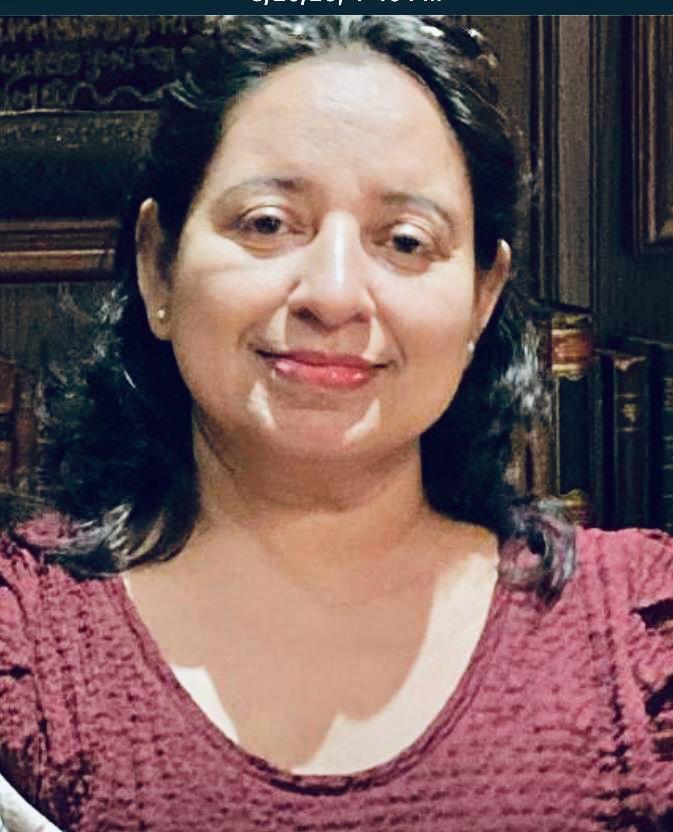
Prabha Gupta is a veteran journalist and civic thinker dedicated to the constitutional ideals of dignity and institutional ethics. With over thirty years of experience in public communication, her work serves as a bridge between India’s civil society and its democratic institutions. She is a prominent voice on the evolution of Indian citizenship, advocating for a national discourse rooted in integrity and the empowerment of the common citizen