



RSS

When Sonia Gandhi Said No to Power
The year was 2004. The Lok Sabha election results had delivered an unexpected political shift. The BJP had lost ground,…
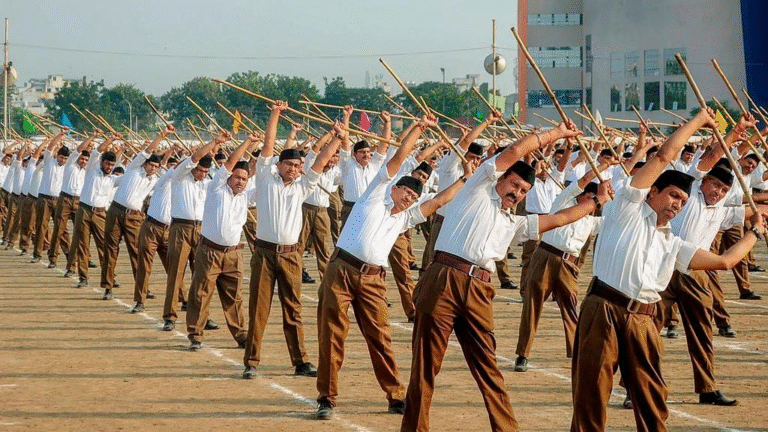
RSS at 100 — Part 7: How Did the RSS Expand Its Influence Beyond the Shakha?
From the shakha to politics, education, student organisations, labour unions and social service—how did the RSS build a wider institutional…
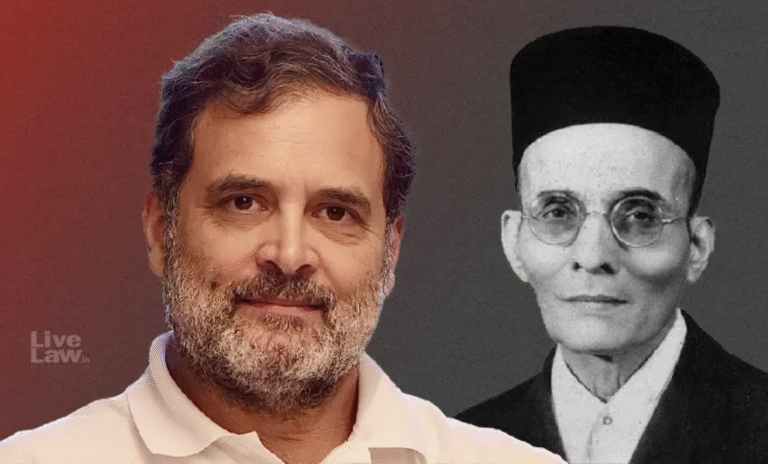
Savarkar ‘Never Hated Muslims’: Kin Takes Rahul Gandhi to Court Over ‘Muslim-Hater’ Portrayal
A defamation battle in Pune has reopened a much bigger argument over Savarkar’s legacy, Gandhi’s political rhetoric and who gets…
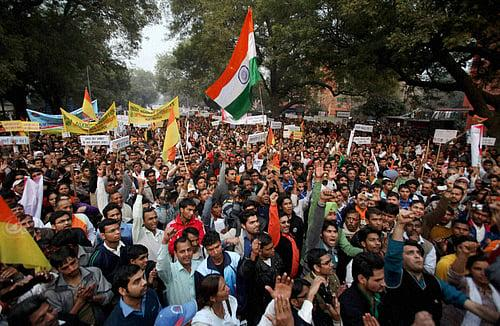
Youth Protests Have Changed Indian Politics: Why Parties Are Suddenly Reaching Out to the Young
New Delhi: The youth protests may have started with anger over examinations, but their political impact is now reaching far…
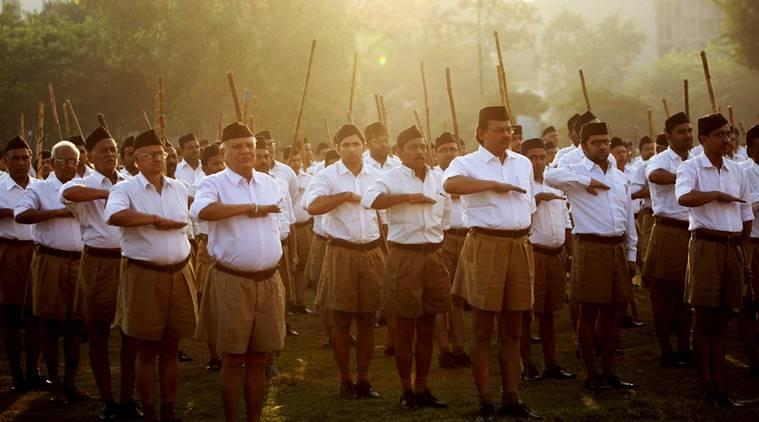
RSS at 100 — Part 6: How Did the RSS Build a Nationwide Network?
Two-Line Summary From a small gathering in Nagpur in 1925, the RSS has grown into a nationwide volunteer network. Its…
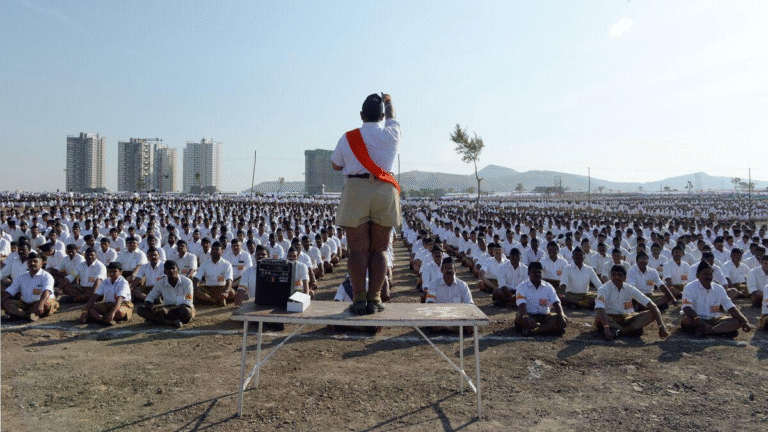
RSS at 100 — Part 6: How Did the RSS Build a Nationwide Network?
Two-Line Summary From a small gathering in Nagpur in 1925, the RSS has grown into a nationwide volunteer network. Its…
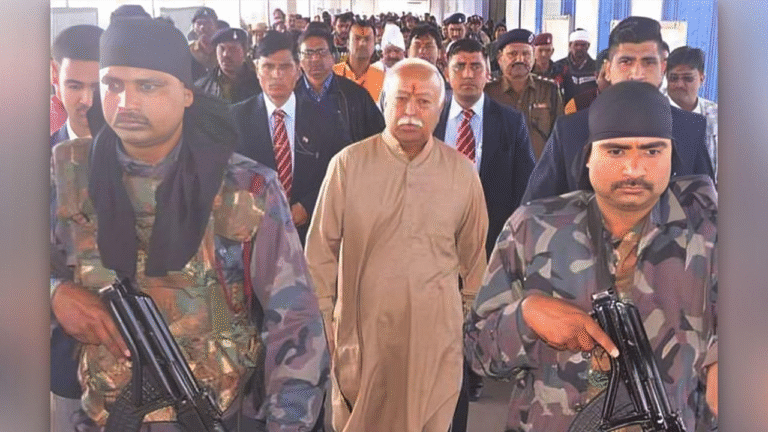
RSS at 100 — Part 5: Why Does Mohan Bhagwat Receive Z+ Security? Who Pays for It—and What Do We Know About the Cost?
Two-Line Summary Mohan Bhagwat does not hold constitutional office, yet he receives Z+ security, one of India’s highest levels of…
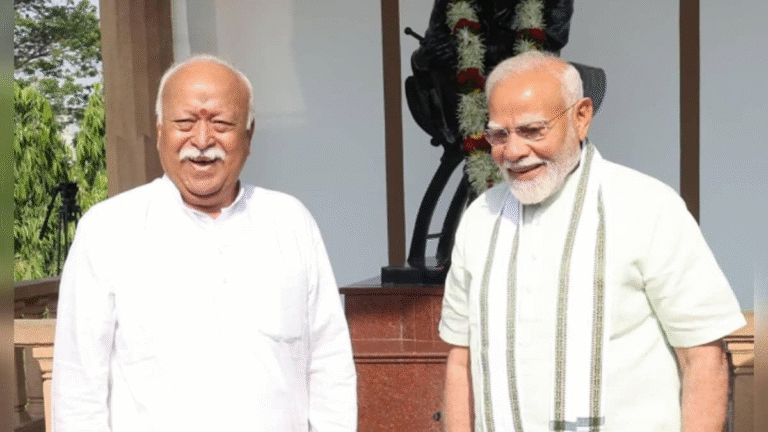
RSS at 100 — Part 4: RSS and BJP — Who Influences Whom?
Two-Line Summary The RSS and BJP are formally separate organisations, but their relationship goes far beyond ordinary ideological affinity. Their…
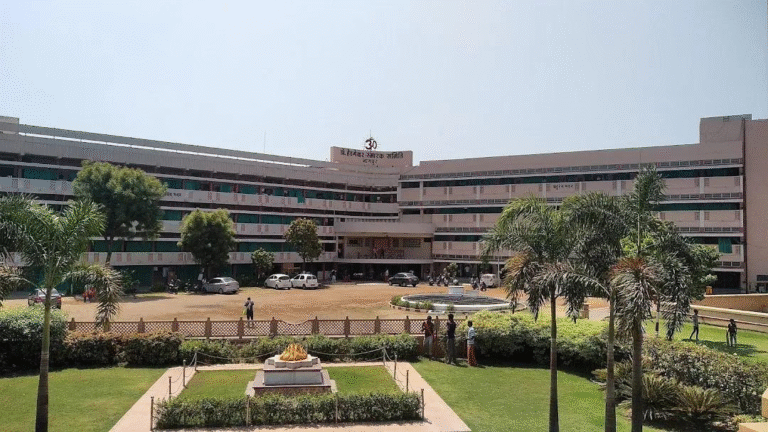
RSS at 100 — Part 2: What Is the Legal Status of the RSS?
Two-Line Summary The RSS is widely described as an unregistered organisation, but does being unregistered mean that it is illegal?…
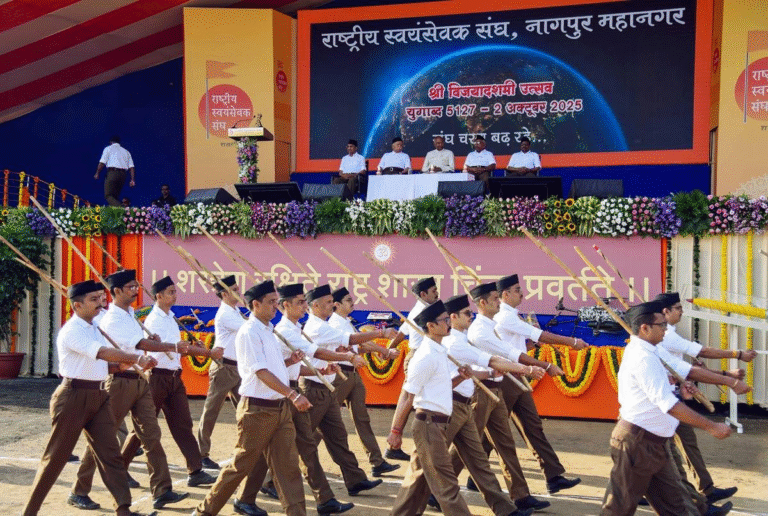
RSS at 100: History, Influence, Transparency and the Questions That Remain
NewsHashtag Investigative Series — Part 1 The Big Picture For a century, the Rashtriya Swayamsevak Sangh (RSS) has remained one…
- 1
- 2