


France’s Unrest: Fox News Identifies 54 Groups as Communists Prepare November Youth Strike
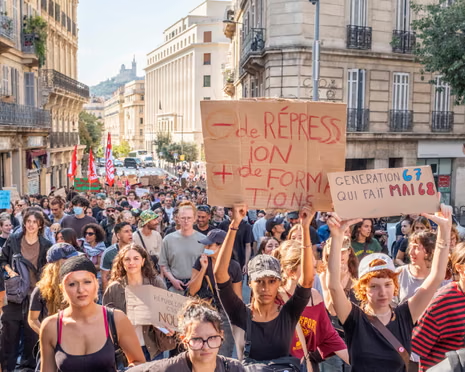
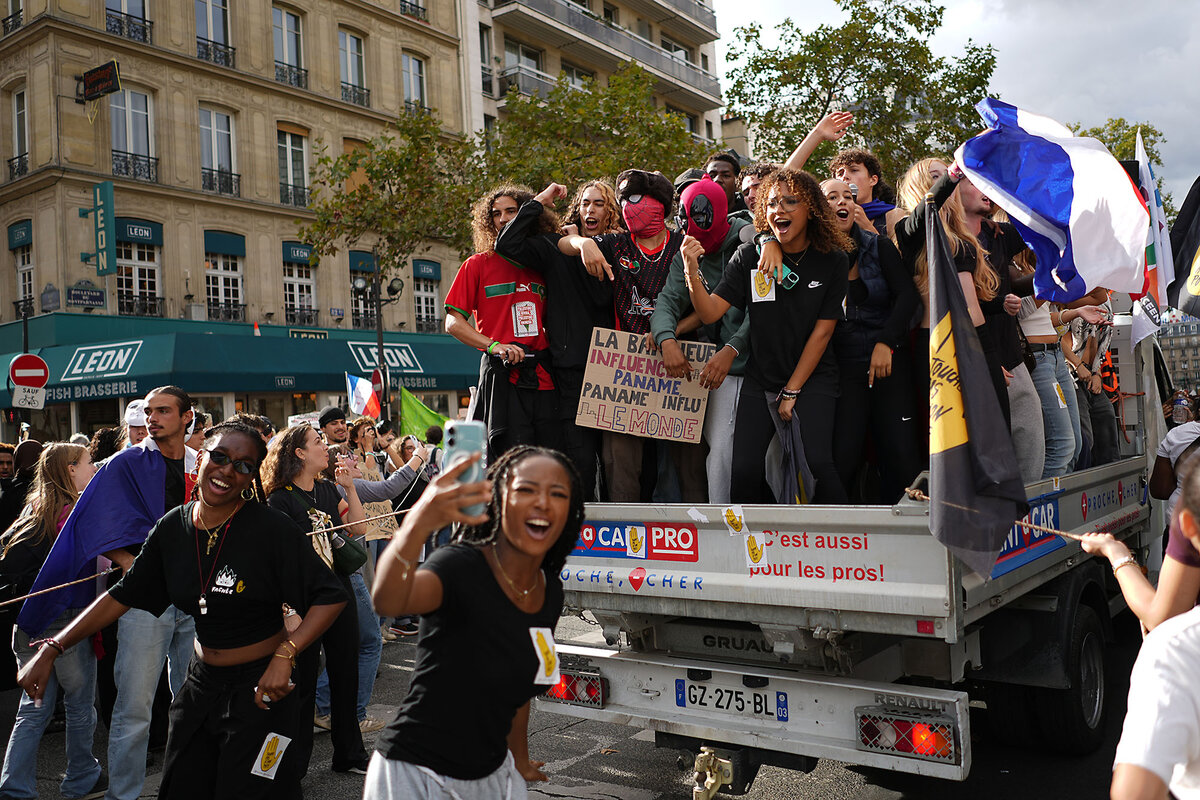
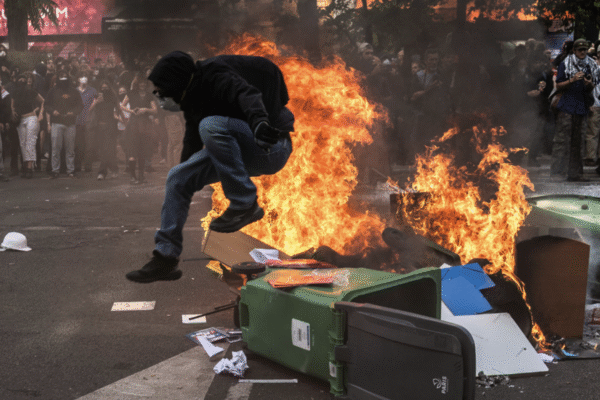
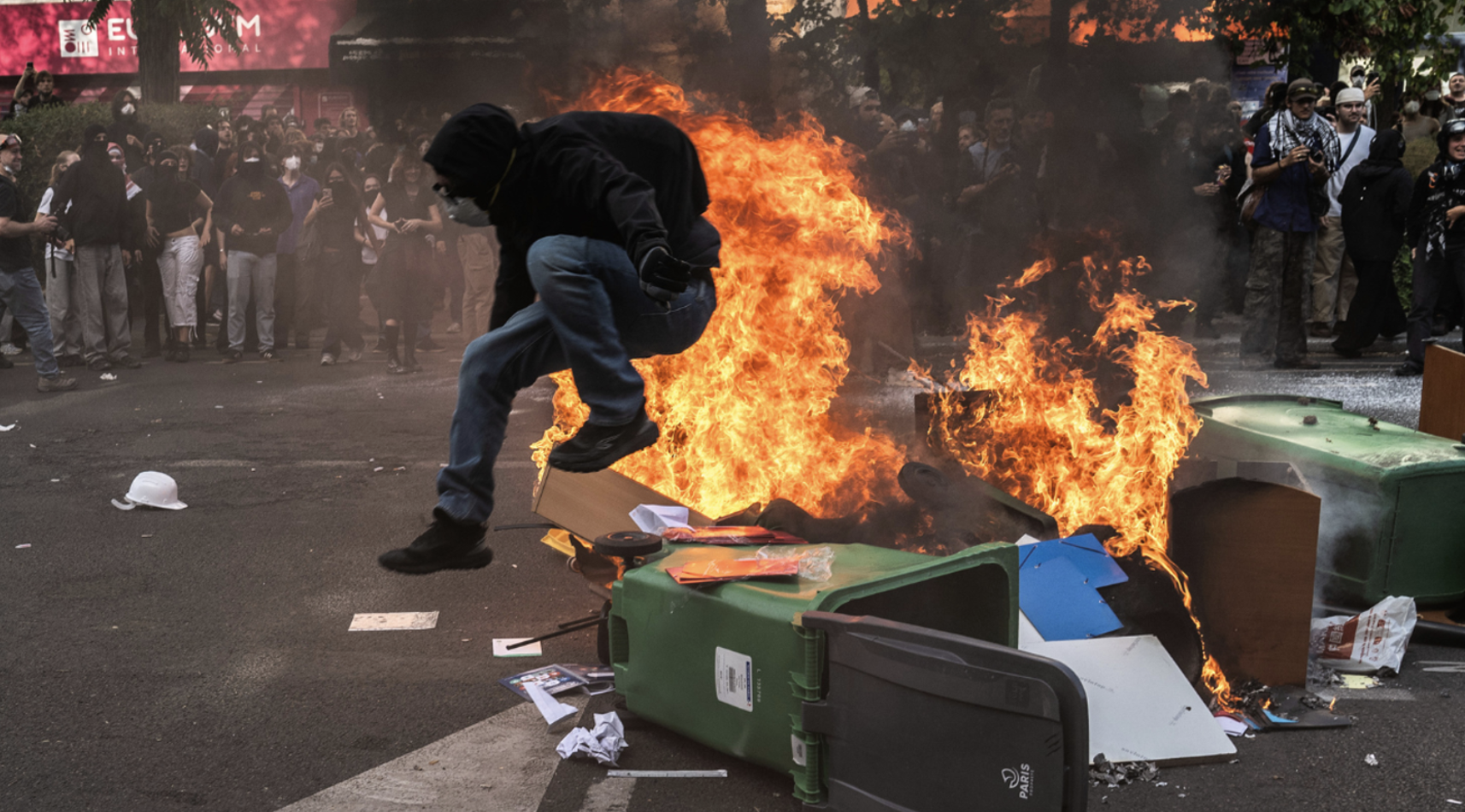
France’s latest wave of protests is raising questions about the relationship between domestic grievances, ideological activism and international political networks. A Fox News Digital investigation has identified 54 organisations allegedly connected to demonstrations involving students and other protesters, while subsequent reporting has described plans for further mobilisation, including a proposed Europe-wide youth strike on November 20, 2026.
The investigation has brought communist and socialist groups, student organisations, trade unions and advocacy networks under scrutiny. However, understanding the unrest requires distinguishing between evidence of political coordination and claims that a single network is directing protests across national borders.
From student grievances to wider mobilisation
According to Fox News Digital’s investigation, organisations associated with France’s protest movement include communist and socialist youth groups, student unions, labour organisations and other political advocacy networks. The report alleges that these groups have helped mobilise demonstrators, circulate protest messaging and connect local campaigns with wider international movements. Subsequent reporting expanded the investigation’s mapping of organisations involved in France’s protest ecosystem.
The proposed November youth strike adds another dimension. Organisers have presented the mobilisation as part of a broader campaign against militarisation, government spending priorities and policies they consider harmful to young people. Such objectives reflect ideological opposition to existing economic and political arrangements, but they do not necessarily establish that all participating organisations share identical goals.
The distinction matters. A coalition can coordinate demonstrations around common demands without operating under a single command structure.
How much coordination is actually established?
Fox News Digital has portrayed the organisations it identified as part of a wider protest ecosystem, highlighting common messaging, organisational relationships and cross-border solidarity. Other reports have described connections between French demonstrations and activist groups operating in countries including India.
These connections merit scrutiny, particularly where there is evidence of shared logistical planning, funding or coordinated calls for action. But the presence of similar slogans, ideological sympathies or supportive social-media posts is not sufficient to prove centralised direction.
Nor does an organisation’s participation in a protest automatically make it responsible for violence committed by individual demonstrators. A rigorous investigation must establish who organised particular events, who financed them, what activities were coordinated and whether any organisation explicitly encouraged unlawful conduct.
Without such distinctions, the identification of political networks risks becoming a substitute for demonstrating their precise role.
The domestic roots of French unrest
France’s protests cannot be understood exclusively through the activities of ideological groups. Student concerns, economic insecurity, disputes over public spending and dissatisfaction with political leadership can generate genuine public mobilisation.
Organised political movements may amplify these grievances, provide infrastructure and turn isolated demonstrations into larger campaigns. Yet amplification does not necessarily mean that activists manufactured the underlying discontent.
For policymakers, the challenge is to address legitimate grievances while preventing intimidation, vandalism and violence. Treating every protest as an externally coordinated operation could deepen distrust, while ignoring evidence of organised unlawful activity would be equally irresponsible.
Why the November strike matters
The proposed November 20 mobilisation will test whether organisers can translate online messaging and political alliances into sustained participation across Europe. Its scale, participating organisations and stated objectives should be assessed through verifiable evidence rather than assumptions based on ideological affiliation.
Authorities and journalists should examine funding disclosures, publicly available organising documents, event permits and demonstrable links between groups. Equally important is the distinction between peaceful political advocacy and unlawful activity.
Democratic societies must protect both public order and the right to protest. Political affiliation alone is not evidence of wrongdoing.
Beyond the headlines
Fox News Digital’s investigation raises legitimate questions about how modern protest movements organise, communicate and build international alliances. Its findings deserve examination, but its allegations should not be treated as conclusive proof that a unified international network orchestrated France’s unrest.
The central issue is not simply how many organisations appear on a list. It is what each organisation actually did, how decisions were made and whether specific evidence establishes responsibility for unlawful acts.
As November approaches, the credibility of the debate will depend on evidence, transparency and careful reporting. Understanding the forces behind France’s unrest requires neither dismissing the possibility of organised mobilisation nor assuming that every cross-border connection amounts to a conspiracy.

NewsHasghag operates a 24/7 news bureau that tracks the real-time, social media-driven stories from India and around the world, keeping you ahead of the day’s key talking points. Our digital-first approach transforms storytelling through the seamless integration of data, interactive charts, video, and audio into every narrative