



Kakinada Coast Braces for Cyclone Arnab: Preparedness Faces a Critical Test
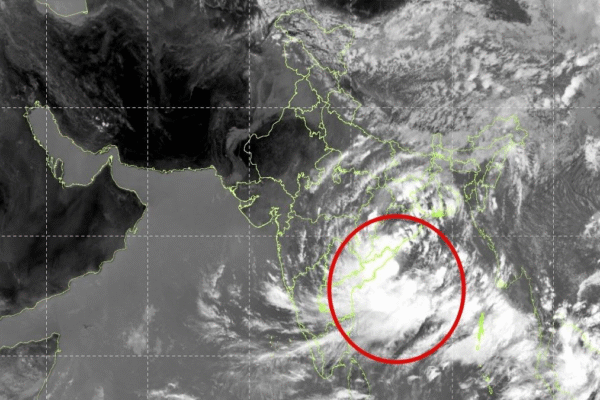
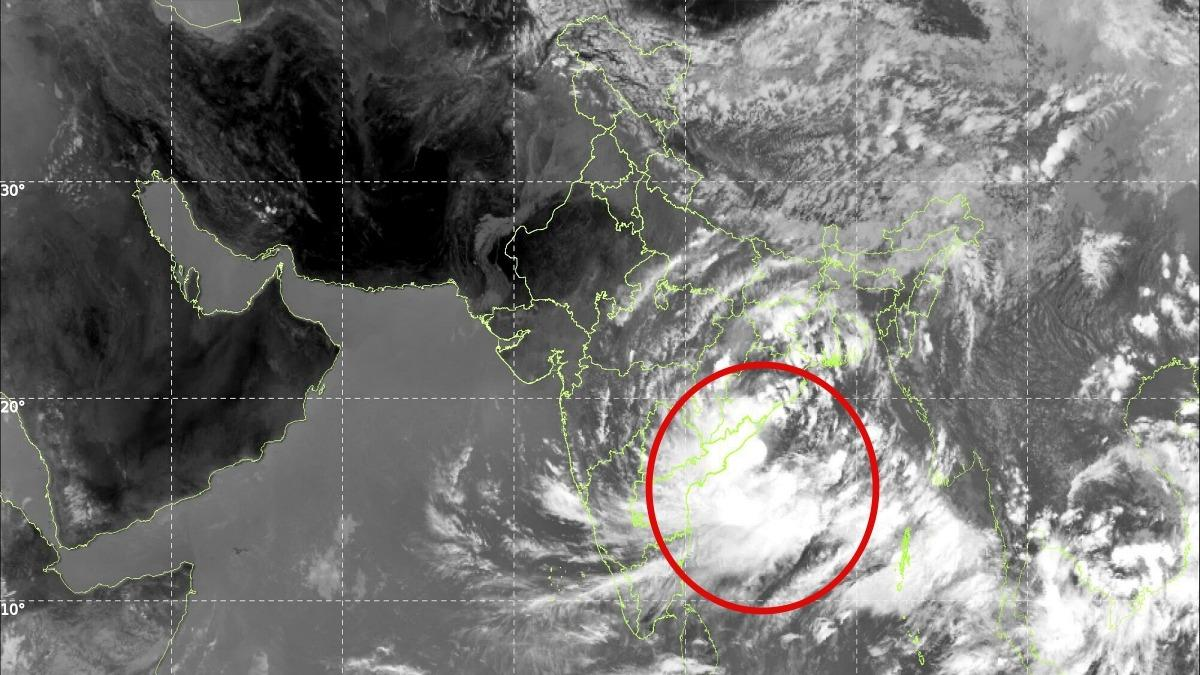
KAKINADA, Andhra Pradesh — The Andhra Pradesh coastline is on high alert as Cyclone Arnab intensifies over the Bay of Bengal, raising concerns about heavy rainfall, destructive winds and possible inundation of low-lying coastal areas. With landfall forecast for the morning of October 28, authorities face a critical test of disaster preparedness, evacuation planning and the protection of vulnerable communities.
According to the India Meteorological Department (IMD), Cyclone Arnab was positioned over the east-central and adjoining west-central Bay of Bengal on October 26, moving westwards at approximately 15 kilometres per hour. The system is expected to intensify into a very severe cyclonic storm before crossing the Andhra Pradesh and Yanam coast between Bapatla and Visakhapatnam, close to Yanam. Forecast sustained winds of 115–125 kmph could produce gusts reaching 140 kmph.
Kakinada faces multiple risks
For Kakinada and neighbouring coastal districts, the threat extends beyond strong winds. Heavy to extremely heavy rainfall could cause flooding, disrupt transport and damage infrastructure. The IMD has also warned that a storm surge of approximately 1.0–1.5 metres above the astronomical tide could inundate low-lying areas near Kakinada and Yanam during landfall.
Such conditions can be particularly dangerous for fishing communities, residents of vulnerable coastal settlements and households living in poorly constructed structures. Floodwater can isolate villages, while damage to electricity and communication networks can complicate rescue operations.
The exact impact will depend on the cyclone’s final track, intensity, timing and local conditions. Although Kakinada is within the threatened region, it should not be assumed that the cyclone’s centre will make landfall there.
Government preparedness under scrutiny
The Centre has moved to coordinate emergency preparations. At a meeting on October 26, the National Crisis Management Committee reviewed the developing situation, with officials from affected states reporting preparations, including arrangements for shelters and the deployment of National and State Disaster Response Force teams. District control rooms have also been activated.
These measures are important, but their effectiveness will depend on implementation at the local level. Warnings must reach fishing hamlets, remote settlements and households with limited access to digital information. Evacuation instructions need to be clear, transport must be available for people unable to move independently, and shelters must have adequate drinking water, sanitation, medical assistance and essential supplies.
Disaster management cannot be judged merely by the number of meetings held or teams placed on standby. Its real measure is whether people can reach safety before conditions deteriorate.
Fishing communities and livelihoods at risk
Authorities have advised fishermen not to venture into the sea from October 26 to 29. The restriction is essential as worsening sea conditions can endanger fishing boats and crews. However, prolonged interruptions can also affect the daily earnings of families dependent on fishing and related activities.
Relief planning must therefore consider both immediate safety and post-cyclone recovery. Rapid assessment of damage, restoration of essential services and timely assistance to affected households will be crucial.
Preparedness must go beyond warnings
Cyclone Arnab highlights the recurring vulnerability of India’s eastern coastline to severe weather systems. Forecasting has improved, but better forecasts must translate into faster last-mile communication, resilient infrastructure and coordinated local action.
Residents should follow official IMD and district administration advisories, avoid the sea and flooded areas, secure loose outdoor objects and move to designated shelters when instructed. Emergency preparations should not be delayed until winds strengthen.
The coming days will test whether preparedness can translate into protection on the ground. For Kakinada and the wider Andhra coast, the priority is clear: minimise casualties, protect livelihoods where possible and ensure that vulnerable communities are not left behind.
As Cyclone Arnab approaches, the success of the response will be measured not by the scale of the warnings, but by how effectively they prevent loss of life.

NewsHasghag operates a 24/7 news bureau that tracks the real-time, social media-driven stories from India and around the world, keeping you ahead of the day’s key talking points. Our digital-first approach transforms storytelling through the seamless integration of data, interactive charts, video, and audio into every narrative