



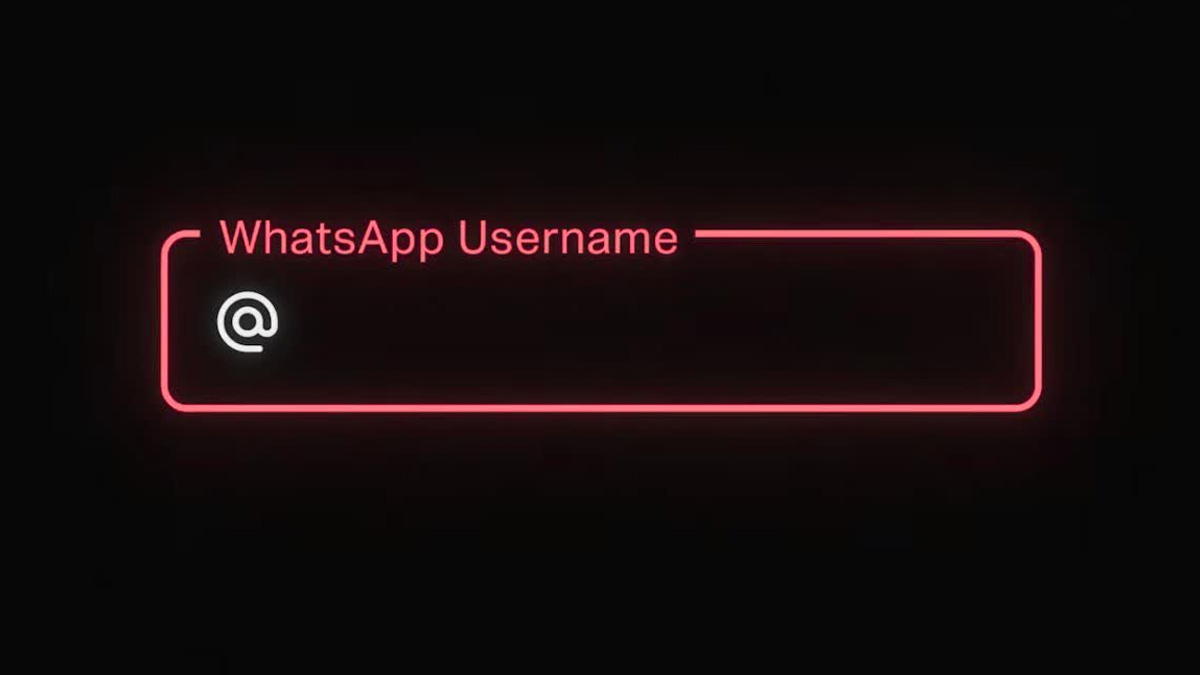
The Union government has issued a notice to WhatsApp over its proposed username feature, raising concerns that the new system could make impersonation easier and pose fresh challenges for law enforcement and cybersecurity. The feature, which is expected to roll out in the coming months, is designed to allow users to connect using unique usernames instead of sharing their phone numbers.
While the move has been welcomed by privacy advocates as a step toward reducing the exposure of personal mobile numbers, authorities appear concerned that the same feature could create opportunities for fake identities, online fraud, and impersonation.
The development highlights a familiar dilemma in the digital age: how to balance user privacy with accountability and public safety.
Privacy Innovation Meets Security Concerns
WhatsApp, owned by Meta, has long relied on mobile numbers as the primary identifier for user accounts. The proposed username feature would enable users to communicate without revealing their phone numbers, similar to platforms such as Telegram, Signal, and several other messaging services.
For users, the benefits are evident. Sharing a username instead of a personal number can reduce spam calls, unwanted messages, stalking, and privacy risks, particularly for women, professionals, journalists, and individuals interacting with strangers through online communities or business platforms.
However, the government’s concern centres on a different issue—identity verification.
Officials fear that if usernames are not backed by robust verification mechanisms, fraudsters could impersonate well-known personalities, businesses, government departments, banks, or even ordinary individuals. Cybercriminals frequently exploit trusted identities to carry out financial scams, phishing attacks, and misinformation campaigns.
India has witnessed a sharp rise in digital fraud over the past few years, with scammers increasingly using messaging platforms to deceive victims. Fake customer care accounts, fraudulent investment groups, and impersonation of public officials have become common methods of cybercrime.
Authorities are therefore seeking clarity on how WhatsApp intends to prevent misuse of the new feature before it becomes available to millions of users.
The Bigger Challenge Is Balancing Privacy and Accountability
The notice reflects a broader global debate surrounding encrypted messaging platforms.
Technology companies argue that stronger privacy protections are essential in an era of increasing cyber threats and data misuse. Features that minimise the sharing of personal information are generally viewed as improvements in user security.
Governments, however, have a parallel responsibility to prevent online fraud, financial crimes, child exploitation, and the misuse of digital platforms by criminal networks.
The challenge lies in ensuring that privacy-enhancing features do not inadvertently make investigations more difficult or create new opportunities for impersonation.
Industry experts suggest that the solution may lie in stronger technical safeguards rather than abandoning privacy innovations altogether. Verified usernames, automated detection of suspicious accounts, AI-driven fraud monitoring, reporting mechanisms, and rapid response systems for impersonation complaints could help reduce abuse while preserving user privacy.
The government’s notice does not necessarily indicate opposition to the feature itself. Instead, it signals that authorities want assurances regarding user protection before the rollout proceeds.
As India continues to emerge as one of the world’s largest digital markets, messaging platforms are under increasing pressure to design products that respect both individual privacy and public safety.
For WhatsApp, the username feature represents an important evolution in how people communicate online. For regulators, it presents new questions about identity, accountability, and cybercrime prevention.
The coming discussions between the government and WhatsApp are likely to shape not only this particular feature but also future digital regulations governing social media and encrypted messaging services in India.
The debate ultimately reflects a reality of the digital era: every technological innovation brings new opportunities—but also new responsibilities for companies, governments, and users alike.

NewsHasghag operates a 24/7 news bureau that tracks the real-time, social media-driven stories from India and around the world, keeping you ahead of the day’s key talking points. Our digital-first approach transforms storytelling through the seamless integration of data, interactive charts, video, and audio into every narrative