


Who Is Neha Bora? The Youth Protest Movement, the Bangladesh Connection and the Question of Regime Change in India
Neha Bora, a 29-year-old doctoral scholar and national president of the All India Students’ Association (AISA), has emerged as one of the most recognisable faces of India’s latest youth-led protest movement. Her rise from student activism to the centre of a national political controversy has raised questions about electoral transparency, opposition mobilisation, foreign influence and the possibility of a Bangladesh-style political upheaval in India.
But while the political rhetoric is intensifying, an important distinction must be maintained: drawing inspiration from a foreign protest movement is not, by itself, proof of a foreign-directed conspiracy.
From Theatre and Student Politics to the National Spotlight
Bora, who grew up in Uttarakhand, studied at Delhi University and Ambedkar University before pursuing doctoral research at Jawaharlal Nehru University. According to Reuters, her early interests included theatre, which she credits with helping shape her approach to public communication and activism.
Her political engagement expanded during the 2019–20 protests against the Citizenship Amendment Act. Subsequently, she became involved in student campaigns concerning examination irregularities, unemployment, educational policy and police action against protesters.
As AISA president, Bora operates within a student organisation associated with the Communist Party of India (Marxist–Leninist) Liberation. Her political background is therefore rooted in organised Left student activism rather than an entirely spontaneous, leaderless youth movement.
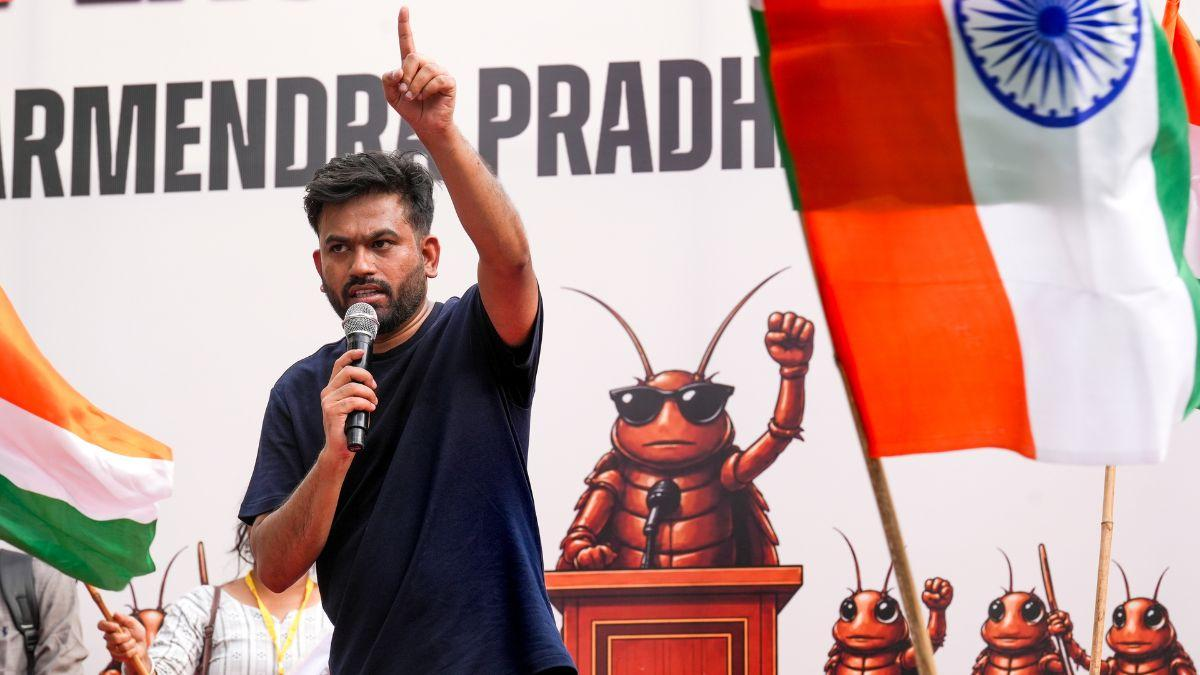
In 2026, she gained wider attention through protests over examination controversies and a hunger strike alongside climate activist Sonam Wangchuk. Her profile rose further during demonstrations led by the Cockroach Janta Party (CJP), which demanded accountability over the Special Intensive Revision (SIR) of electoral rolls and called for Chief Election Commissioner Gyanesh Kumar’s resignation.
Protesters allege that large-scale deletions from voter lists threaten democratic participation. The Election Commission disputes allegations of partisan manipulation and maintains that eligible voters can seek enrolment. The scale, justification and consequences of the deletions require transparent scrutiny rather than assumptions by either side.
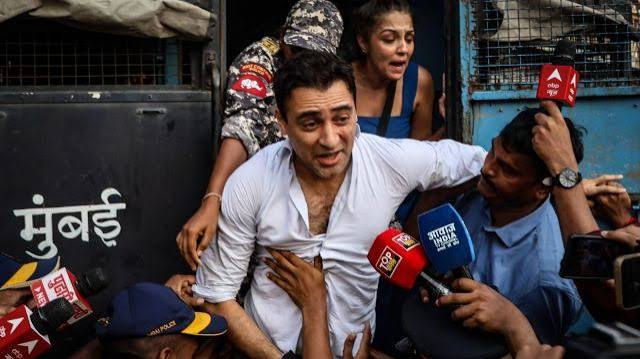
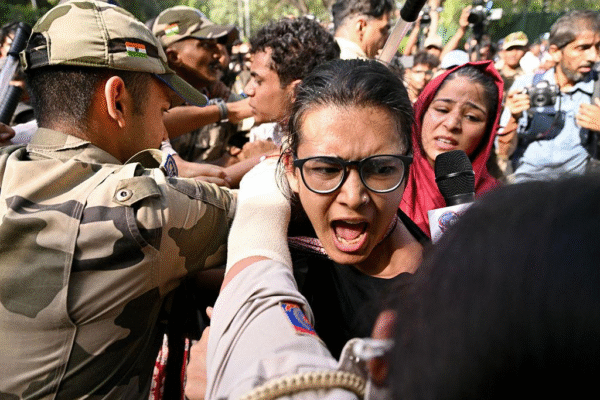
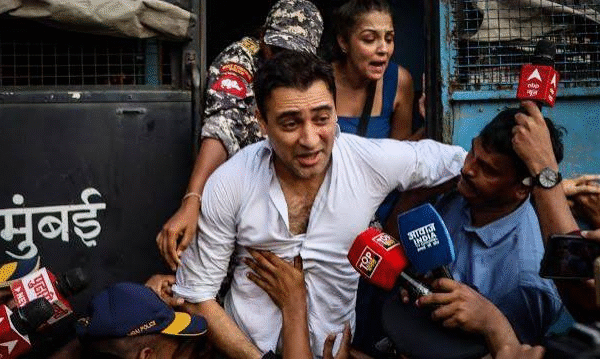
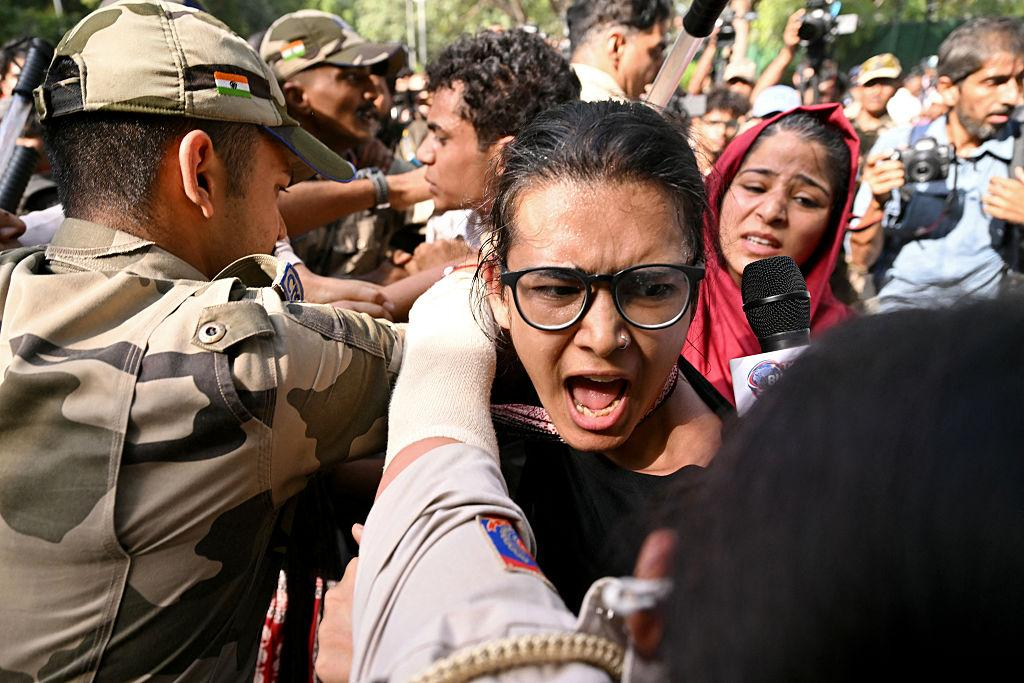
Bora’s detention during the Delhi protests, followed by her release, further amplified her visibility. Her appeal to supporters to continue demonstrating even while she was in custody helped turn her into a symbol of youth resistance.
Is the Bangladesh Model Being Replicated in India?
The controversy intensified after Bora praised Bangladesh’s 2024 student uprising during a message to a Bangladeshi student organisation, saying the movement had “shown us the way”. The remark, alongside senior advocate Prashant Bhushan’s public support for “regime change”, prompted the BJP to accuse opposition leaders and activists of seeking a Bangladesh-style upheaval.
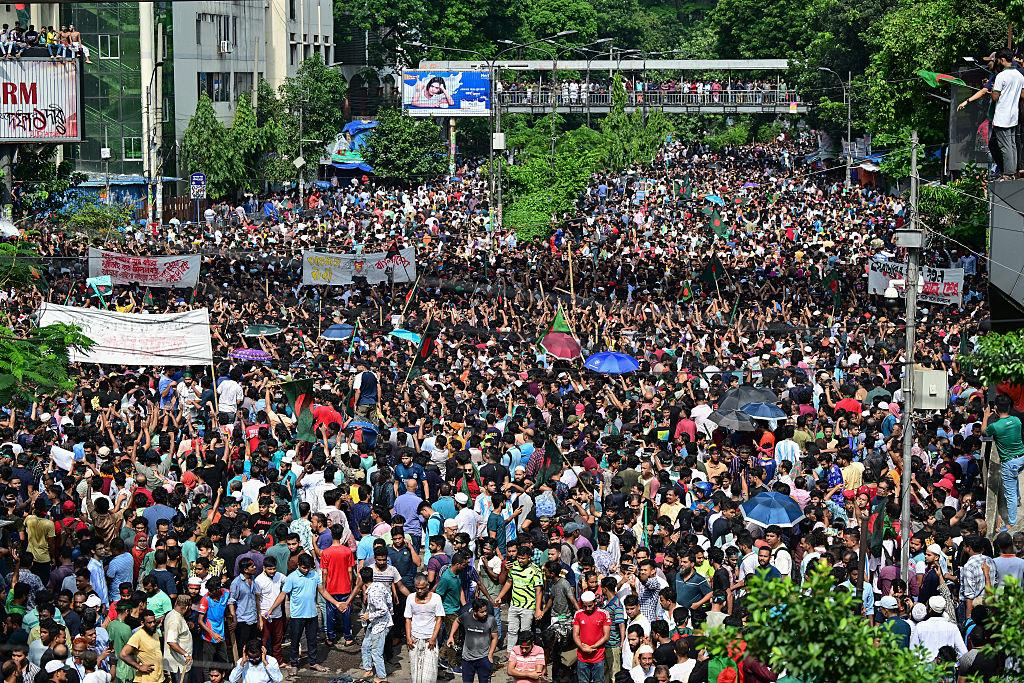
The comparison has political resonance. Bangladesh’s student protests began over government-job reservation policies and expanded amid a violent state response, widespread public anger and a broader crisis of legitimacy. Sheikh Hasina left office in August 2024 after the uprising, and an interim administration took over.
However, India’s political and institutional circumstances differ substantially. India has a much larger electorate, a federal political structure, multiple competing parties, regular elections and established constitutional mechanisms for changing governments. A protest movement, even a large one, does not automatically translate into the collapse of an elected administration.
What about the allegation that the United States is organising the Indian movement?
At present, the public reporting reviewed for this article does not establish that the US government is directing or financing Bora’s activities or orchestrating a regime-change operation in India. Similar allegations surrounding Bangladesh’s 2024 uprising have also circulated without conclusive public evidence establishing US responsibility. Political contacts, international solidarity messages or shared protest tactics cannot independently prove operational control by a foreign power.
That does not mean foreign interference is impossible. It means any such allegation requires verifiable evidence: funding records, documented coordination, credible investigative findings or other independently corroborated material.
Could India Witness a Bangladesh-Style Regime Change?
India could witness sustained demonstrations, electoral setbacks for the ruling party, shifts in public opinion or a change of government through elections. These are different outcomes, and none should automatically be equated with the forced removal of a government.
The more immediate test is whether the movement can convert public anger into a sustained, broad-based campaign with clear demands, credible evidence and peaceful methods. The government, meanwhile, must address legitimate concerns about electoral rolls transparently and ensure that policing does not unnecessarily intensify public distrust.
Neha Bora’s prominence reflects a wider struggle over who gets to define democratic accountability: protesters challenging institutions, or authorities insisting that those challenges undermine them. Both the allegations of electoral wrongdoing and the accusations of foreign orchestration demand evidence.

NewsHasghag operates a 24/7 news bureau that tracks the real-time, social media-driven stories from India and around the world, keeping you ahead of the day’s key talking points. Our digital-first approach transforms storytelling through the seamless integration of data, interactive charts, video, and audio into every narrative