

Streets in Motion: How Yesterday’s Barricades Shape Today’s France
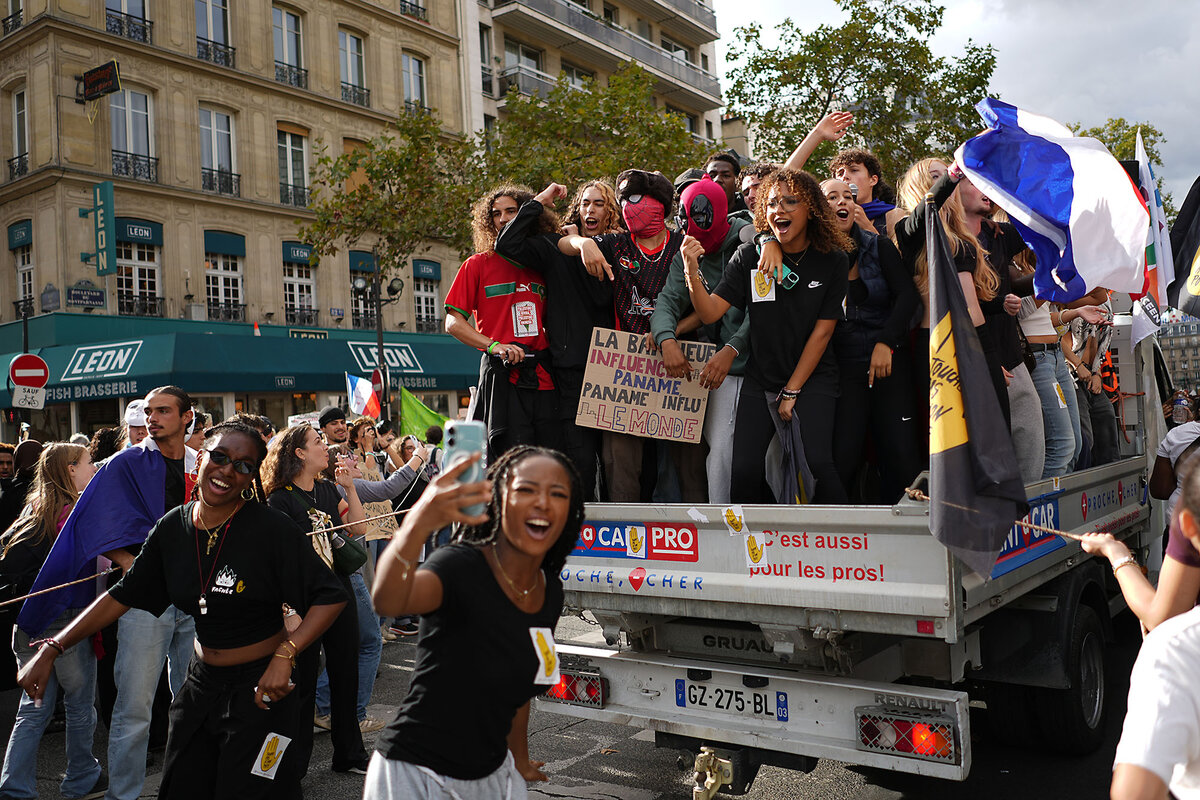
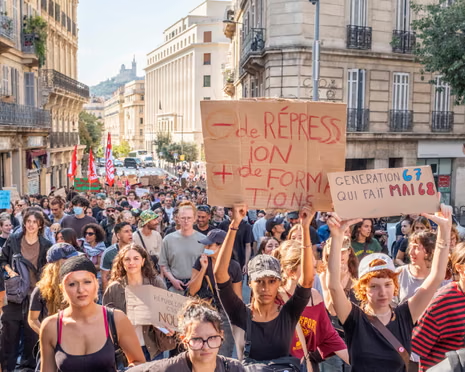
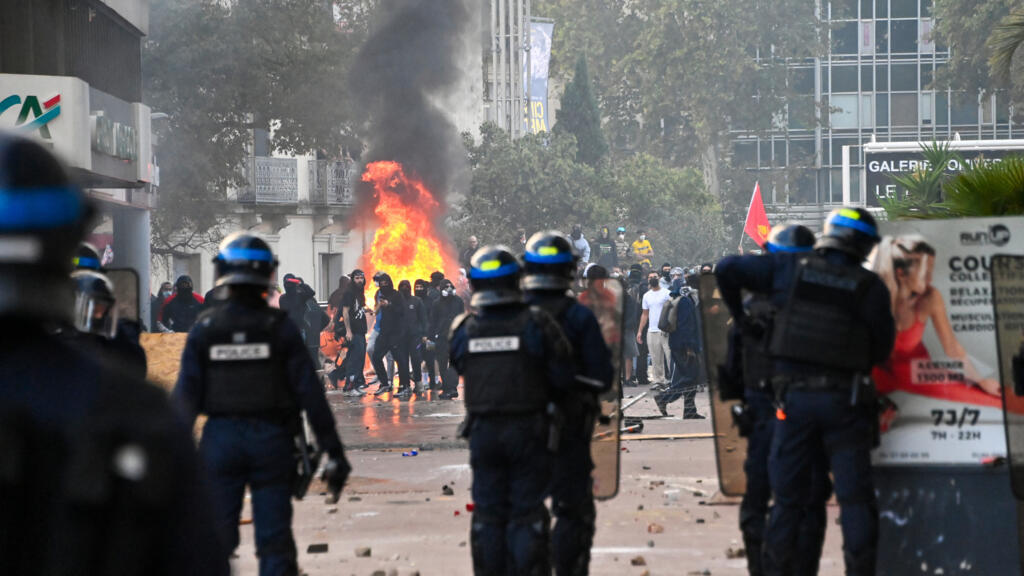
Walk through the streets of Paris today, and you will likely encounter a scene deeply familiar to French history: crowded boulevards filled with marching citizens, striking workers, banner-waving students, and clouds of tear gas echoing off Haussmann-style facades. From fierce national disputes over pension reforms to wide-scale social demonstrations, modern France remains a nation in a perpetual state of political motion. Protesting is not treated as an anomaly or a last resort in French society; it is an active, living mechanism of democracy. To understand why civil unrest erupts so readily in contemporary France, one must look back to the historic crucible that defined the nation’s political identity: the French Revolution of 1789.
The Original Rupture: 1789 and the Birth of Popular Sovereignty
Before 1789, power sat firmly in the hands of the monarch and the privileged Estates. However, economic collapse, widespread famine, and systemic inequality forced the common people of the Third Estate to declare themselves the National Assembly. When Parisian crowds stormed the medieval fortress of the Bastille on July 14, 1789, they did more than capture a prison; they destroyed the notion of absolute royal authority.
The subsequent Declaration of the Rights of Man and of the Citizen codified the foundational triad of Liberté, Égalité, Fraternité, asserting that political legitimacy belongs solely to the people. Yet, the rapid destruction of old institutions led to violent polarization. Under Maximilien Robespierre and the Jacobins, the revolution turned inward during the Reign of Terror (1793–1794), demonstrating a enduring paradox of radical reform: how easily movements fought in the name of liberty can veer into authoritarian control.
Exporting the Revolution: Napoleon and the Codes of Equality
The turmoil of the revolution paved the way for Napoleon Bonaparte’s rise in 1799. Though Napoleon re-established centralized autocratic rule by crowning himself Emperor, he paradoxically spread the primary social victories of the revolution across the European continent.
His legal masterpiece, the Napoleonic Code of 1804, established civil equality before the law, protected property rights, ended feudal privileges, and secularized legal frameworks. Even after Napoleon’s defeat at Waterloo, European powers found it impossible to completely undo the public’s expectation of legal equality and constitutional limits.
A Century of Barricades: 1830 to the Fifth Republic
Throughout the nineteenth and twentieth centuries, France functioned as Europe’s political laboratory, repeatedly resorting to popular uprising whenever governments strayed too far from the promises of 1789.
- The 1830 July Revolution and the 1848 Revolutions brought down monarchies and cemented universal male suffrage.
- The Paris Commune of 1871 showcased radical working-class self-governance following imperial collapse.
- The Third Republic (1870–1940) formally institutionalized secularism (laïcité) through the landmark 1905 law separating church and state.
- The social explosion of May 1968 saw millions of students and workers strike simultaneously, reshaping modern French cultural and labor rights under Charles de Gaulle’s Fifth Republic.
The Living Legacy on the Streets Today
When modern French citizens take to the streets to challenge government policies, they are actively drawing from a centuries-old political tradition. In many democracies, political authority is viewed as something fully delegated to elected officials until the next election cycle. In France, the ethos established in 1789 dictates that popular sovereignty remains directly with the people, who reserve the right to audit and challenge power at any moment. Today’s unrest is not a sign of a failing system, but rather the continuous, turbulent expression of a society built on the belief that liberty and human dignity must be actively defended on the pavement.

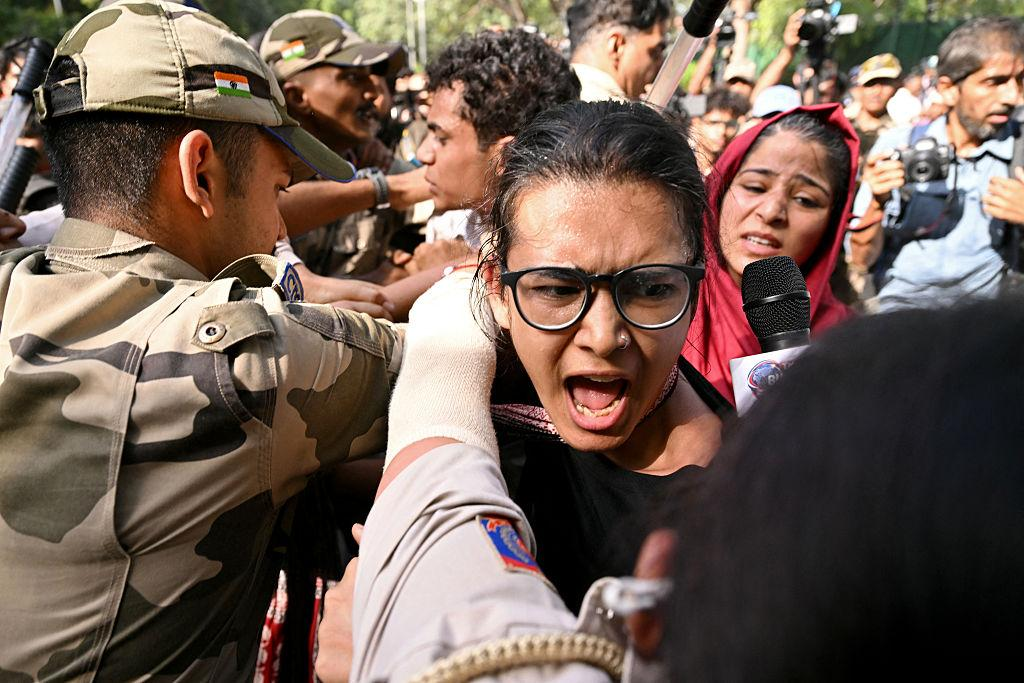
Prabha Gupta is a veteran journalist and civic thinker dedicated to the constitutional ideals of dignity and institutional ethics. With over thirty years of experience in public communication, her work serves as a bridge between India’s civil society and its democratic institutions. She is a prominent voice on the evolution of Indian citizenship, advocating for a national discourse rooted in integrity and the empowerment of the common citizen